Virtual Counseling
Concerns
Therapist Gender
Counseling For
Price Range
Insurance Accepted
Payment Options
Client Focus - Age
Client Focus - Religion
Client Focus - Ethnicity
Language Spoken
Treatment Approach
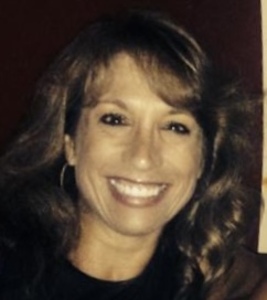
Emmy Hendrix
APC
Atlanta, GA
Do you experience the feeling of loneliness, sadness, or fear of the future? Do these feelings affect your ability to do the things you normally enjoy? Helping people live a life that they love is my passion. Learning how to work through difficult relationships, grief, setting boundaries, or going through a life transition. My goal is to help you learn how to work through these issues and live the life you've been longing for. I offer a welcoming space with in-person and virtual appointments to suit your schedule.
Specializations
body image, loneliness in older adults, Grief
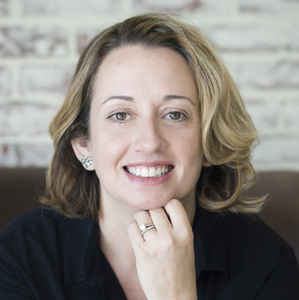
Andriea Washington
LPC
Peachtree City, GA
Telemental Health Serving clients with Trauma, Complex Trauma, PTSD, Bipolar D/O, Anxiety, Depression and Gender issues
No Information Available.
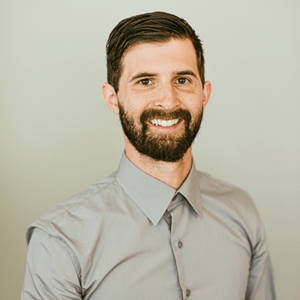
Mark Jones
MFT, LPC
Kennesaw, GA
After years in another career, I chose to retrain for helping others through mental health challenges. Trauma counseling and marriage and family therapy were areas of focus for me. Life experience, good training, and expert supervision combine to enable me to be effective with a wide range of mental health concerns. My clinical experience includes working a year with men in substance addictions and their families.
How do I view mental health? We are all impacted by the systems of which we are a part (family, friends, work, neighborhood, etc.). Trauma can have a long-lasting impact on our lives. We are all spiritual beings, regardless of which faith system we endorse. Everyone's struggles make sense and are a produce of what happened to them and the choices they made.
Your mental health challenges probably impact every area of your life. Let me help you make sense of them and find ways to flourish in life. I am accepting new clients (individuals, couples, and families) for in-person and virtual sessions.
Marriage & Family, Trauma Counseling / EMDR, Anxiety/Depression
Logan Kafer
Logan received his Master’s degree in Clinical Mental Health Counseling from Richmont Graduate University. He also holds certificates in Marriage & Family Therapy and Trauma Counseling. Prior to receiving his Master’s, Logan received his BA in Psychology from the University of Kentucky. In between his time at Kentucky and enrollment at Richmont, Logan spent two years overseas traveling to 20+ countries working with various organizations.
Logan has experience working in a private practice setting and a residential recovery center for addiction. Through these experiences, he’s been able to walk alongside people going through a spectrum of issues.
Trauma, Addictions, Relationships
Jennifer Diamond
Clinical Psychologist
Chicago, IL
In 1997, I received my PhD in Clinical Psychology from Northwestern University where I was trained in the use of Psychodynamic and Cognitive Behavioral therapies with adults and adolescents. My post graduate training includes EMDR and Internal Family Systems therapies. I draw on all of these approaches in my work to help people create happier, more fulfilling lives for themselves and their families.
My therapeutic focus includes transitions in adolescence and adulthood, trauma, navigating divorce and post-divorce relationships, and the anxiety and distress that accompany these experiences. I also help mothers and fathers navigate the difficult job of raising children, from infancy through young adulthood, in all types of family configurations. Together, with compassion, we can understand the origins of your distress, what keeps it present in your life, and what changes need to be made to let it go.
In addition to relying on traditional talk therapies, we can draw upon my non-traditional training. I offer EMDR therapy, a highly effective treatment for trauma that can also be helpful when you feel stuck after trying talk therapy to manage symptoms of depression, anxiety, and relationship issues. And we can choose to use mindfulness techniques drawing upon my decades of practicing and teaching yoga and meditation.
If you are seeking help with any stage of divorce, my training as a divorce mediator may also be helpful in understanding and navigating the process you are going through.
Divorce, Relationships, Anxiety
Johanna Karasik
Licensed Professional Counselor
NORTHGLENN, CO
Stress just. won't. stop. and “work-life balance” seems like an impossible feat. Your stress has been building for FAR too long; you can't remember the last time you weren’t so overwhelmed or anxious. You can't stand how irritable you’ve become, especially around those you love. Your go-to de-stressors just aren't cutting it anymore - or it's a struggle to use them, and you’re growing tired of your own procrastination, rumination, and withdrawing from others. You want to be more present in your life & relationships. You want to feel like your old self again - or a new, calmer self - on a path of continued growth and success. You want more for yourself and are ready for change.
I can help by co-creating a brave & safe space and validating you - especially when it feels like no one understands. With Accelerated Resolution Therapy (ART), we can help you feel quick relief from prior traumas and distresses, eliminate triggers, and move forward feeling lighter and calmer. We'll rebuild coping skills for relief now & prevention later. I'll challenge you (with care), offer accountability, and use your strengths to help you meet your goals. Ideally, we'll also laugh together and connect as humans.
You're struggling now and contacting therapists only to then wait for responses is frustrating. Skip the waiting and take another step toward relief now by scheduling a brief phone consult directly on my website!
Anxiety, Trauma, Stress
Beatrice Krylowski
Cumming, GA
My philosophy is that every client that walks through my office door already possesses the answers to their problems. They just don’t know they do. I believe that counseling is a healing collaboration between counselor and client, where the client as the expert, and the counselor alongside the client, together evoke the emotional, psychological, and physical changes identified and desired by the client. I earned both my undergraduate degree in psychology(2008) as well as my master’s in professional counseling(2011) from Georgia State University. I began my career working mainly with survivors of trauma. I believe that trauma is a part of life and began noticing a strong correlation between trauma, anxiety, and emotional eating and weight gain. I work with weightloss in a unique way, by helping you get to the root of the issue. Whether its a childhood trauma or an unhealthy coping skill, together in collaboration with your body lets find the answer.
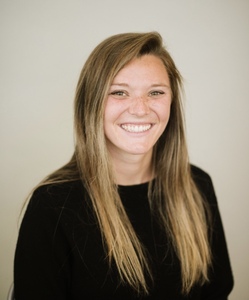
Kersten Perry
Licensed Clinical Mental Health Counselor Associate
Raleigh, NC
Feeling anxious, stuck, or just in need of someone to talk to? You’re not alone. Deciding to find a counselor is an amazing and powerful first step. Let me help you with the rest. Each session with me is specific to who you are and what you need. I find joy in helping my clients discover who they are and achieve the goals they have set for themselves.
Anxiety
Eve Marie Colello Moltzen
LCSW
San Marcos, CA
My passion is working with the LGBTQ community and with couples. I have worked in many settings and in my own LCSW counseling and consulting practice since 1987. I am originally from the East Coast and came to California, originally the Bay Area for 30 years and San Diego for the past 9, and have worked in medical, acute rehabilitation and outpatient psychiatry for the majority of my career. I am trained in the Gottman model of couple's therapy, in DBT, CBT, ACT, Trauma resiliency, Prolonged Exposure therapy and CPT. My most extensive training in the last 7 years has been with gender affirming care.
Women's issues, Marital therapy , LGBTQ
Jennifer Hampton
Napa, CA
My formal education focused on psychology and clinical social work. My professional experiences have been in public schools, hospitals and outpatient clinics, the Military, international nonprofits, universities and various community settings. I currently have a private practice with offices in Napa, in addition to my virtual office, where I provide "teletherapy" to clients in both California and Texas. My therapy training began in public schools with special education, K-12. I counseled children with mental health concerns and led life skills groups. I worked intensively with adolescents (and their caregivers) in alternative school programs burdened by emotional concerns. I spent most of the next decade working in hospitals, both pediatric and adult, assessing and responding to a variety of issues including devastating diagnoses, chronic health conditions, end of life issues, infertility and pregnancy loss, postpartum depression, drug and alcohol abuse, domestic violence, sexual assault and mental health crises. During this time, I taught and supervised students for the University of Texas at Austin Graduate School of Social Work. After ten years, I shifted out of the hospital setting to therapist lead of an integrated behavioral healthcare network where I helped build a program for providing mental health and case management to a pediatric and family medical practice serving 30,000 low income families. An opportunity led me to England for two years, where I managed a prevention and education campaign related to new parent support and family violence prevention. I educated US Air Force members and families on topics such as stress and anger management, PTSD, resilience, healthy dating, couple's communication and parenting, while co-facilitating support groups on chronic medical conditions. During this time, I also worked with Airmen and families on managing stress before and after deployments and transitioning to civilian life after a military career. After a brief return to the U.S. to study Spanish at the Defense Language Institute of Monterey, I moved to South America and worked for the U.S. Embassy while volunteering with a Chilean nonprofit. During this time, I researched advances in counseling and coaching methodology. Although I have a working knowledge of Spanish, I do not provide services in Spanish at this time. In 2014, I relocated to Napa, pregnant again after experiencing pregnancy loss. After treating parents for postpartum depression and anxiety, I experienced it first-hand and became aware of a need for expanded maternal mental health support in my community. So I added services to my private practice that would address infertility, pregnancy and postpartum mental health support, Moxie Motherhood, and co-founded a pregnant and postpartum peer support program. For almost two decades, I have honed my clinical expertise from problem-focused to possibility-focused. I remain current on research and active in the professional dialogue of wellness, balancing my time between counseling, coaching, teaching, volunteering and parenting. Read more here. I welcome the opportunity to support you.
Maternal Mental Health, Relationships, Depression


.jpeg)