Virtual Counseling
Concerns
Therapist Gender
Counseling For
Price Range
Insurance Accepted
Payment Options
Client Focus - Age
Client Focus - Religion
Client Focus - Ethnicity
Language Spoken
Treatment Approach
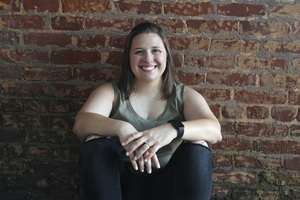
Lynne Modzelesky, Psy.D.
Licensed Clinical Psychologist
Philadelphia , PA
I’m a clinical psychologist focusing on women’s issues, doing both individual and group therapy via telehealth. I enjoy working with women to help them overcome life's challenges. I have particular interest and experience working with Veterans and active duty military families, pregnancy, infertility, post-partum mood changes, life transitions, and increasing self compassion.
Specializations
Anxiety, Pregnancy, Post- Partum
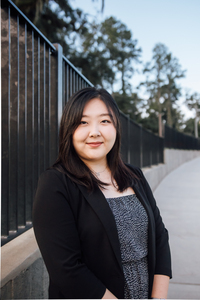
Grace Choi
LAMFT
Atlanta, GA
I specialize in working with individuals and couples who feel stuck in relationships. I work with clients to better understand their attachment styles and attune to their emotions. I also work with multicultural individuals and couples and work to help explore identities. As a second-generation Korean-American, I recognize the difficulties of navigating multiple cultural identities and the stigmas around mental health and therapy. I offer my services in English and Korean.
No Information Available.
Pheleene Martinez
LMFT
Rancho Cucamonga, CA
I am Currently accepting clients in person and telehealth.
It is my goal to help people feeling anxious, sad, having difficulties with fertility or depressed. I want to help you find strength in order to help with symptoms and reach your goals. I have worked extensively with those suffering from post-traumatic stress, anxiety, depression, families in foster care, infants and baby bonding. I have a passion to help families and individuals communicate their needs and increase positive communication. If you need support in understanding your current symptoms, please know that I am here to help and support you. Please feel free to call or email for additional support. I look forward to hearing from you.
children , Anxiety , Postpartum and infertility
Brianna Henderson
LPC, Registered Play Therapist
Frisco, TX
I exclusive specialize in child therapy for ages 3-14 years old using Child-Centered Play Therapy. I own Lily Pad Child & Adolescent Counseling in Frisco, TX.
Jodi Attar
IMFT
Columbus, OH
I believe that we all have the capacity to grow towards becoming better versions of ourselves. I work systemically and collaboratively with individuals, couples, and families to help them achieve their desired goals for treatment. I place great emphasis on developing a strong therapeutic relationship with my clients, while also valuing the inherent ability that each person has to work towards individual growth and change. I utilize a variety of interventions in working with clients, viewing treatment through the lens of experiential and structural therapy.
For Adolescents in distress… The teen and preteen years can be exciting, but also extremely challenging, especially when your child appears to be struggling. Challenging teen behaviors or poor academic performance can be frustrating for the parent, but also may signal that your child is not at their best. I enjoy working with adolescents to help them better understand and manage their struggles, while also helping to build the bridge of communication with the family, fostering a stronger parent-child relationship.
For Families in distress… Family can be a source of strength, joy, and companionship, but can also feel tense, uncomfortable, and broken when not functioning at its best. It is extremely common to feel "stuck" in the same patterns of behavior. Families often are great solvers of their own problems, but when it feels like you’ve tried everything, often therapy can help family members learn to relate in new and more rewarding ways.
For Couples in distress… Ever feel like you have the same arguments with your partner over and over again? Do you worry that you’ve tried everything and feel like you keep getting the same outcome? While these feelings of being "stuck" can be highly stressful, there is hope. Therapy can help couples identify new, positive interaction patterns towards a more fulfilling relationship.
Family Therapy, Couple's Therapy, ADHD
Laura Baker Ma,Lpc,Ncc,Cpcs
MA, LPC, NCC, CPCS
Acworth, GA
Laura Baker MA, LPC, NCC, CPCS Exhale Counseling Exhale Counseling and Consulting Services www.exhalecounselingsvcs.com laura@exhalecounselingsvcs.com 770 892 6287 Co-Founder of Exhale Counseling (07.07.2020) I am trained in EMDR
Meagan Turner
APC
Tucker, GA
Hi, I’m Meagan, and I’m glad you’re here! If you’ve made it this far, I imagine you’re at the end of your rope, reaching out for some help.
Recent college grad or young adult trying to navigate adulthood? So many feelings come alongside that journey - fear, inadequacy, excitement…the list goes on. If you’d like someone to walk alongside you as you process life changes and personal challenges, you’ve come to the right place!
I take creative approaches to counseling for those who desire it, including:
Sand Tray; Walk and Talk; and Expressive Arts.
My approach to counseling is strengths-based, meaning that I draw on the intrinsic assets already inside of you. I believe that you are the expert on your own life and provide a safe environment for you to explore it.
In my free time, I enjoy being outdoors, reading, riding my motorcycle, and spending time with family and friends.
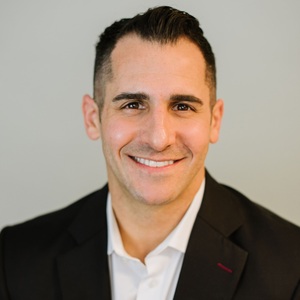
Michael Kanner
LPC
Roswell, GA
Michael received his master’s degree in Clinical Mental Health Counseling from Richmont Graduate University, as well as certificates in Marriage & Family Therapy and Trauma Counseling. Michael has also pursued additional relationally-focused training through the highly regarded Gottman Institute and is a certified facilitator of Prepare/Enrich relationship assessments.
Michael works with adolescents, adults, and couples to address a wide range of needs including: anxiety, depression, life adjustment, suicidal thoughts, spiritual development, sexual identity, relationship communication, conflict resolution, pre-marital education, and family systems under duress. He seeks to create a safe and collaborative space for clients to move towards hope and healing. Michael’s approach to the therapeutic process is best expressed by the Jon Kabat-Zinn quote, “You can’t stop the waves, but you can learn to surf.”
Before his career in counseling, Michael earned a bachelor’s degree in business from Kennesaw State University and spent several years working for Apple Inc. as a manager and trainer. Throughout high school and college, Michael worked as a martial arts instructor, a pursuit that he credits with cultivating both an appreciation for mindfulness and fostering his continued enthusiasm for physical fitness.
Men’s Issues, Relationships, Transitions
Amoreena Berg
MFT
San Marcos, CA
I am a licensed MFT who has been in practice for over 15 years. I have extensive experience treating a wide variety of issues and psychological disorders from the most mild to the most severe. I work with adults and adolescents. My approach is warm, positive and compassionate. I can help you to achieve your personal goals, more effectively manage your emotions and stressors and develop strategies that will promote positive self-growth and lead you to and a more satisfying life. I have worked in a wide variety of settings in addition to my private practice including schools, residential homes and outpatient treatment facilities. My specialties include anxiety and depressive disorders, stress management, crisis counseling, grief counseling, and relationships.
Anxiety, Depression, Grief and loss
Erin Manhardt
LMHC
Bellevue, WA
I work with children, adolescents, and young adults. My therapeutic style is very person-centered. I want sessions to be beneficial for you and will cater towards your needs. I have completed training in Dialectical Behavior Therapy (DBT), Cognitive Behavioral Therapy (CBT), and Motivational Interviewing (MI). I also incorporate art therapy, sand tray therapy, and play therapy into sessions. Just like every human, every therapy session is unique!
Adolescents, Young Adults, Anxiety