Virtual Counseling
Concerns
Therapist Gender
Counseling For
Price Range
Insurance Accepted
Payment Options
Client Focus - Age
Client Focus - Religion
Client Focus - Ethnicity
Language Spoken
Treatment Approach
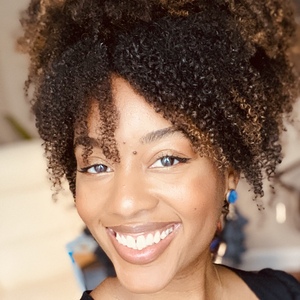
Dominique Braden
LMFT
Nashville, TN
Dominique Braden is a Licensed Marriage and Family Therapist from Nashville, Tennessee. Dominique graduated from Trevecca Nazarene University in 2017 with a Master’s Degree in Marriage and Family Therapy. Dominique has experience with a wide variety of clients specifically, women, men, and couples. Therapeutic specialists include trauma, attachment-focused therapy, LGBTQ, and marginalized populations. Dominique primarily adapts attachment-focused therapy and systemic family therapy.
Specializations
No Information Available.
Elizabeth Preston
Associate Professional Counselor
Atlanta, GA
I love to foster a safe space to explore, manage, and face the daily stressors and long-term challenges of life for adolescents/young adults and women. I use my expertise, research, and personal experience to serve two special populations, anxious teenagers/young adults and moms. The weight of feeling like I can not handle what I am experiencing is overwhelming, but it does not have to feel that way forever.
To the teen or young adult girl that feels that she is walking without a map and is trying to figure out her relationship with her friends, family, body, performance, etc., you do not have to do it alone. I want to walk alongside you while we figure out how to find healthy ways to deal with anxiety, learn to live according to what matters most to you, and make peace in your relationship with yourself and others.
I also focus on working with women who are prenatal, postpartum, or have experienced infant loss at any time. As someone who has experienced the overwhelming pain and confusion of miscarriage, I understand what it feels like to be faced with seemingly insurmountable loss. This heartbreaking experience drives my passion to help women in similar situations navigate their grief, honor their child, and find hope to move forward when it feels like there is none.
Whether through writing helpful content, meeting with individual clients, and talking to groups, my desire is to cultivate safe spaces to talk about hard things. Let’s connect and see where we can grow together.
Jasmine De Guzman
Rancho Cucamonga, CA
Thank you for taking the time to view my profile. It is my passion to be able to walk along side with you in situations that pushes you to feeling alone, anxious, sad or depressed. I want to help you find hope in your daily struggle and with that, I would like to support you in gaining insight and encourage you while helping you try to manage situations that feel unmanageable. My approach is very unique and personal that is tailored to each of my client's personality and situation. I have worked extensively with those suffering from post-traumatic stress, anxiety, depression, isolation, sadness and families suffering from relationship concerns. I believe every individual is capable of tasting the passion they have for life in whatever aspect they personally desire. I continuously strive to help those become inspired by their own strengths. If you are needing support in understanding your current circumstances, please know that I would be more than happy to help guide and support you during this difficult time. Please call or email me.
Ashleigh Burroughs
Buford, GA
Children and young adults have such unique issues to navigate in today’s world. As a Licensed Associate Professional Counselor, I want to create a space for children and young adults to process where they are no matter what that looks like. As a therapist, I specialize in working with clients that struggle with anxiety, depression, life changes and adjustment to different phases and stages of life. Young people are constantly growing and changing. I work with clients to process their growing pains through self-expression.
As a former school counselor, I have a heart for helping young people overcome challenges and realize their strengths. Expressive arts and creativity are often at the core of our sessions. Whether that is writing, drawing, or other forms of art, we can use those skills to help you process and externalize even the most challenging emotions. My biggest goal is for you to be able to utilize your passions in the healing process. Ultimately, therapy is a brave space where I guide you in taking ownership of your story and experiences. It would be an honor to start that journey with you!
When I am not with clients, I spend my time supporting my alma mater, the University of Georgia! Go dawgs!!
Teens & Young Adults, Anxiety, Depression
Kristen Albritton
LPC, NCC
At Wilde Counseling, we believe that stability often comes when we brave the wilderness within and around us. With an emphasis on nervous system support, we help our clients heal from traumatic events, past or present, and experience more connection in their lives. We work with clients to make sense of attachment wounds, build inner trust and self-compassion, and move past the relational patterns that have kept them stuck. It is a privilege to enter hard spaces with you and offer a safe place to land.
Trauma, Attachment , Relationships
Dr. Shira Olsen
Clinical Psychologist
Bellevue, WA
I am a Clinical Psychologist and trauma specialist with expertise in intimate betrayal and infidelity. I help women heal from the devastating aftermath of sexual betrayal, infidelity, and other forms of intimate partner betrayal. I am a Certified Sex Therapist (CST), Certified Clinical Partners Specialist (CCPS), and Certified Sexual and Relational Trauma Therapist (CSRTT).
My clients are often facing the painful aftermath of infidelity and trying to pick up the pieces of their life. You may feel overwhelmed with emotions, struggle with obsessive thoughts, have physical symptoms of stress, and may feel completely alone and unsure what to do next. I can help you alleviate your trauma symptoms, manage triggers, learn strategies to work through the pain, silence the inner voice telling you that you're not good enough and achieve a state of calmness again.
I use trauma-informed empirically based techniques for effective and lasting change. I also incorporate mindfulness strategies for mind-body re-connection to heal the physical symptoms of trauma.
I am incredibly passionate about my work and believe that each person is worthy and deserving of healing. I believe a collaborative approach to therapy works best. I would love to hear your story and help you reach your therapeutic goals.
Claire Stuebe
LCMHC, LPC
Morrisville, NC
In my role as counselor I am honored to support individuals who are struggling with various aspects of life. Perhaps dealing with strong anxiety or depression, negative self talk, relationship issues, work or school pressures, unhealthy habits and poor self care. Does any of this sound like you? I will work with you to understand what is happening, design strategies to address your specific issues, and work step by step with you as we remove the barriers and build new and better ways of being you. Healthy, happy and connected to the world around you. Encompassing compassion and practicality, I use cognitive behavioral, mindfulness, and short-term solution-focused therapies, often in my practice. I am EMDR trained, but prefer to use EFT (a cognitive somatic tapping technique), shown to help individuals integrate and heal from past traumatic events, life experience, difficult memories, present food cravings, stress, anxiety, and phobias. I also use cognitive behavioral therapy to help clients process certain issues and find solutions. My blending of cognitive and mind-body practice creates a unique healing experience for clients. I am eager to help you thrive in all areas of your life, and will offer you the tools to make effective and lasting changes. I look forward to working with you towards the peace and health you desire. For clients who prefer speaking Spanish, I have a good command of the language. I am licensed in Virginia, North Carolina, South Carolina, Florida, Maryland and Vermont.
Anxiety, Depression, Stress/ Trauma
Robert Espiau
Mental Health Counselor License
KIrkland, WA
I have over 30 years experience teaching mindfulness, meditation and working in the Mental Health field. I feel a lot of compassion for those who struggle and specialize in working with religious trauma, PTSD, nightmares, disscciation, and depersonalization, excessive worries, anxiety and panic attacks. I never ask my clients to do something, i.e. use a method that I have not worked with myself. I strongly believe one must walk their talk and live in integrity to feel healthy. I have traveled and lived in many countries and I provide support for expats and people with intercultural adjustment difficulties related to the experience of living abroad.. My primary purpose for traveling in other countries was to study with various teachers about the nature of consciousness. I lived, for example, with a group of Indians studying indigenous medicine in the Amazon jungle of Columbia. I also traveled through India, Europe, Canada, Latin America, Mexico and Turkey studying the psychological teachings contained in the religious teachings, histories, sacred sites, and art of these cultures. I have studied and practiced Samatha and vipassana Meditation methods for over 30 years. I currently reside in Saigon, Vietnam.
Depersonalization and Dissociative Disorders, Trauma (PTSD and CPTSD), Religious Trauma
Kevin Chow
Union City, CA
My approach to therapy revolves around putting my clients at the center of the process. This means tailoring treatment to suit your specific needs and preferences. It could involve processing through deep-rooted issues, equipping you with coping mechanisms and practical skills, or even collaboration to problem solve. For me, being a therapist is a profound privilege to walk alongside my clients on their journey towards self-discovery and growth. I see each client as an individual with unique experiences, challenges, and aspirations. My role is to support you in realizing your vision for yourself and help navigate through whatever obstacles you may encounter along the way.
Life Transitions, Work related stress, Anxiety
Lynda Sarkisian
LMFT, LPC
Lynda is a dual board certified LPC and LMFT. Lynda received an MA in Marriage and Family Therapy from Richmont Graduate University in 2015. Lynda has been described as warm, nurturing, empathetic and encouraging. Lynda places a strong value on the client-therapist relationship and believes that this partnership is a vital component in the facilitation of healing, growth and change. Lynda sees clients in her Atlanta office weekly and offers telephone therapy to residents of Ga seeking professional counseling or marriage and family therapy. Lynda's office is located at 3495 Piedmont Rd. NE, Building 11, Ste. 708, located in the {Simplified} office suites. Please call or email for any questions or to schedule an appointment. 678-439-1871 therapywithlynda@gmail.com lyndasarkisian.com
Relationships, Life Transitions, Anxiety

.jpg)