Virtual Counseling
Concerns
Therapist Gender
Counseling For
Price Range
Insurance Accepted
Payment Options
Client Focus - Age
Client Focus - Religion
Client Focus - Ethnicity
Language Spoken
Treatment Approach
Sharon Nix
ABCDE
DEMO CITY, AL
Specializations
No Information Available.
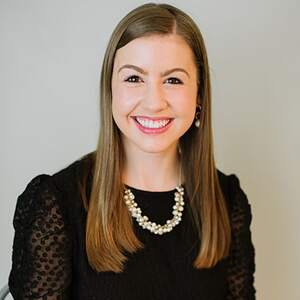
Mary Anne Sylvester
LPC
Atlanta, GA
Mary Anne is a Licensed Professional Counselor (LPC) who received a Bachelor of Arts in Psychology and Spanish from Furman University and a Master of Arts in Mental Health Counseling from Wake Forest University. She has experience working with children, teenagers, adults, and families in both medical and private practice settings.
Mary Anne tailors her counseling approach to fit the developmental needs of her clients. As a certified Positive Discipline Parent Educator, Mary Anne offers parenting education and values working closely with the family system to encourage positive growth and development.
Mary Anne also works with pregnant and postpartum women. Her training in perinatal mood disorders coupled with her passion for maternal mental health and experience as a mother herself allows her to serve women and families as they navigate pregnancy, parenthood, and life transitions.
In the counseling room, Mary Anne strives to create a comfortable space for clients to be their authentic self and work through their concerns. She works alongside her clients to encourage them to discover their strengths, explore ways to empower themselves, and promote healthy change.
Anxiety, Maternal Mental Health, Adolescents
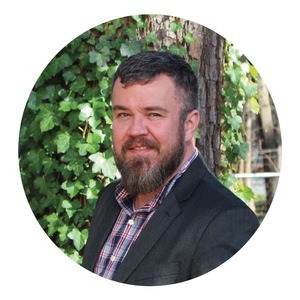
Jason Cavin
Are you struggling to find balance and create momentum in your daily life? I am offering virtual healthcare when you need it most. Through video calls we can meet, identify what change you want to occur and create a plan that propels you to a brighter future.
As a Licensed Professional Counselor (LPC) and Board Certified Behavior Analyst (BCBA), I have over 15 years of experience in the behavioral health field. Using a variety of behaviorally-focused approaches I work with my clients to help them achieve their individual goals.
I utilize a behavior analytic approach to assist my clients. This includes creating SMART goals, taking baseline data, implementing interventions, and tracking progress throughout the duration of therapy. Give me a call and let's get started!
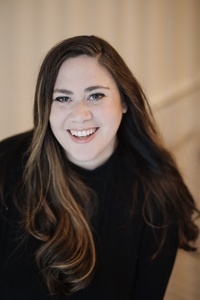
Mazi Robinson
Mazi Robinson is a licensed professional counselor and speaker specializing in helping women discover their true voice as they navigate self worth/self esteem challenges, relationship concerns, and life stage transitions.
In addition to her work as a therapist, Mazi maintains an active speaking schedule presenting workshops on topics such as anxiety, healing, self worth, healthy relationships, personal growth, and purposeful living. She is also a Certified Daring Way™ Facilitator presenting workshops and retreats based on the research and methodology of Dr. Brené Brown to individuals and groups.
Mazi is the Founder and Director of Cultivate. Through its counseling center and bi-monthly gatherings, Cultivate encourages women to cultivate joy, courage, and freedom in their lives as they pursue emotional, mental, and spiritual health.
Mazi resides in Atlanta, GA with her husband and two sons. She is an avid FRIENDS fan, loves dinner on a porch with friends, and is passionate about telling women they are loved and worthy.
Self worth/self esteem challenges, Relationship concerns (family of origin, dating/marriage concerns), Life stage transitions
Samantha Perry
LCMHC, LPC
Lexington, NC
Samantha earned her Master of Health Science in Clinical Mental Health Counseling from Catawba College. She is a Licensed Clinical Mental Health Counselor through the NC Board of Licensed Clinical Mental Health Counselors (#17770) and a Licensed Professional Counselor through the SC Board of Licensed Professional Counselors (#10262). Samantha is also a Certified Psychoanalytic Psychotherapist, a Nationally Certified Counselor, a Certified Clinical Trauma Professional, a Certified Addictions-Informed Mental Health Provider, a Certified Sex Offender Treatment Professional, and a Registered Child Forensic Interviewer. Additionally, Samantha is trained in Trauma-focused Cognitive Behavioral Therapy, Interpersonal and Social Rhythm Therapy, and Somatic Experiencing.
Samantha has had the opportunity to work with patients with a variety of mental health concerns in school-based, college mental health, and outpatient settings. Her clinical focus is on severe and persistent mental health concerns, with a concentration on mood disorders. Samantha utilizes an integrative approach, combining Cognitive Behavioral, Interpersonal, and Psychoanalytic techniques. Therefore, during sessions, she commonly assists in identifying and challenging self-limiting patterns, healing from past experiences, and gaining insight into how the unconscious influences behavior. Her research interests include the intersection of mental health and the criminal justice system, the development of neurodevelopmental disorders, and genetic links between schizophrenia and associated comorbid conditions.
Mood Disorders, Psychosis, Anxiety
Courtney Woodworth
APC
Smyrna, GA
When life becomes overwhelming or filled with uncertainty, we all deserve a space to talk with someone who will not judge or shame us but who will walk alongside us as we figure it out. I believe that healing happens in connection, and we aren’t designed to figure it all out alone.
I value creating a safe and non-judgemental environment so my clients so they feel safe and comfortable when sharing their stories. I work primarily with trauma-related concerns, anxiety/ panic disorders, and depression.
Reaching out for support is an act of courage, and I admire the bravery it takes to consider counseling. My hope for you is that through the therapeutic process, you can be equipped with the tools to engage in a life that feels not only manageable but also more meaningful and fulfilling.
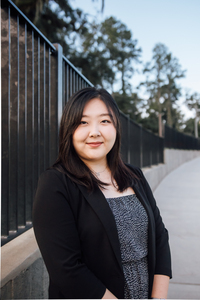
Grace Choi
LAMFT
I specialize in working with individuals and couples who feel stuck in relationships. I work with clients to better understand their attachment styles and attune to their emotions. I also work with multicultural individuals and couples and work to help explore identities. As a second-generation Korean-American, I recognize the difficulties of navigating multiple cultural identities and the stigmas around mental health and therapy. I offer my services in English and Korean.
Aliya Saulson
LCSW
Charlotte, NC
Part of choosing to engage in therapy is choosing to understand yourself more and to seek other perspectives to do so. I engage clients in collaborative processes to assist you not only in improving your relationships with others, but also enriching your relationship with yourself. I collaborate with you to cultivate an intentional life by asking questions you’ve never thought about before. I take great intention in creating a space where you feel supported and accepted, because we must feel a certain level of safety and trust in order to have the courage to change, grow, and be vulnerable.
I am a welcoming therapist with a warm energy committed to providing a client-centered approach that takes into account every aspect of your identity. I particularly enjoy working with young women in emerging adulthood (ages 18-30) but I have experience working with adults of all genders and all ages. I aim to provide LGBTQIA+, sex-positive, affirming services while incorporating a social justice anti-racist framework. In my clinical work, I draw from Acceptance and Commitment Therapy modalities and mindfulness approaches to meet clients “where they are.”
Rupi Kaur writes “What is stronger than the human heart which shatters over and over and still lives?” I consider psychotherapy to be one way that clients strengthen their hearts, and I am continuously inspired by the resilience I see in therapy sessions every day. It is an honor to be a part of my clients’ journeys towards living more meaningful lives.
Emerging Adulthood (18-30), LGBTQIA+, Trauma
Jennifer Diamond
Clinical Psychologist
Chicago, IL
In 1997, I received my PhD in Clinical Psychology from Northwestern University where I was trained in the use of Psychodynamic and Cognitive Behavioral therapies with adults and adolescents. My post graduate training includes EMDR and Internal Family Systems therapies. I draw on all of these approaches in my work to help people create happier, more fulfilling lives for themselves and their families.
My therapeutic focus includes transitions in adolescence and adulthood, trauma, navigating divorce and post-divorce relationships, and the anxiety and distress that accompany these experiences. I also help mothers and fathers navigate the difficult job of raising children, from infancy through young adulthood, in all types of family configurations. Together, with compassion, we can understand the origins of your distress, what keeps it present in your life, and what changes need to be made to let it go.
In addition to relying on traditional talk therapies, we can draw upon my non-traditional training. I offer EMDR therapy, a highly effective treatment for trauma that can also be helpful when you feel stuck after trying talk therapy to manage symptoms of depression, anxiety, and relationship issues. And we can choose to use mindfulness techniques drawing upon my decades of practicing and teaching yoga and meditation.
If you are seeking help with any stage of divorce, my training as a divorce mediator may also be helpful in understanding and navigating the process you are going through.
Divorce, Relationships, Anxiety
Thaddeus Bay
Fort Wayne, IN
Do you look in the mirror and not like the person you see looking back at you? Do you struggle with depression and anxiety? Do you often experience feelings of despair, sadness, hopelessness, low motivation, and little self-worth? I specialize in the treatment of depression, anxiety, low self-esteem, anger management, trauma, substance abuse, as well as others. I utilize various treatment methods to empower my clients to improve their lives and start living instead of just existing. If you are suffering from mental health or substance abuse issues, let me help.
Anxiety, Depression, Self-Esteem