Virtual Counseling
Concerns
Therapist Gender
Counseling For
Price Range
Insurance Accepted
Payment Options
Client Focus - Age
Client Focus - Religion
Client Focus - Ethnicity
Language Spoken
Treatment Approach
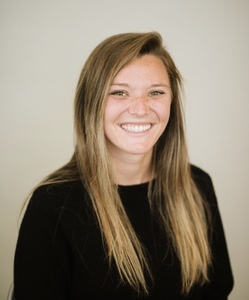
Mari Larrea
NPI
atlanta, GA
I am a sport psychology fellow specializing in mental health concerns and performance optimization for athletes and individuals in high-stress occupations. I see children, teens, adults, individuals, couples, and run a therapy group. Although I specialize in sports/performance with athletes, I see all individuals who are struggling with depression, anxiety, panic, sexual health concerns, faith & life transitions, co-occurring medical concerns, ADHD, OCD, perfectionism, and other mental health concerns!
Specializations
Sports & Performance psychology, Health psychology, Spiritual/faith integrations and transitions
Kearsten Hobbs
LPCC
Denver, CO
Hi! I'm Kearsten and I am so glad you have landed on my page. I care deeply about each of my clients flourishing. At times, experiences with life can keep us from that- maybe it's anxiety, complicated family dynamics, or life just simply not looking the way you would hoped it would. While therapy with me (or anyone) does not immediately take the pain away, I am here to help you navigate it, finding healing and joy along the way.
My approach with clients is one of compassion and collaboration. I will work as hard as you, helping you cultivate the change you wish to see, all from a place of empathy, authenticity, and hope.
Christian Counseling, Anxiety, Family/Relationship Issues
Emmy Hendrix
APC
Atlanta, GA
Do you experience the feeling of loneliness, sadness, or fear of the future? Do these feelings affect your ability to do the things you normally enjoy? Helping people live a life that they love is my passion. Learning how to work through difficult relationships, grief, setting boundaries, or going through a life transition. My goal is to help you learn how to work through these issues and live the life you've been longing for. I offer a welcoming space with in-person and virtual appointments to suit your schedule.
body image, loneliness in older adults, Grief
Terra Midgett
ABCDE
DEMO CITY, AL
No Information Available.
Loni Fillmore
Michelle Goldstein
LGPC
Silver Spring, MD
Michelle works with adolescents and adults to help them achieve the emotional and personal growth they want to see in their lives. Michelle specializes in helping teenagers and young adults navigate transitions and establish a strong sense of self. She also helps those struggling with fertility journeys and pregnancy loss, military families with their unique lifestyle struggles, and parents establishing healthy relational patterns. She creates a safe, non-judgmental space for individuals to process their emotions, understand themselves, and further develop skills that help them heal and achieve their therapeutic goals.
Luke Allen
Licensed Psychologist
Las Vegas, NV
Specializing in anxiety, depression, LGBT+ Health, gender care, & body-focused repetitive behaviors via online therapy.
Liz Fava
LPC
Sandy Springs, GA
I’m Liz Fava, a Licensed Professional Counselor in Atlanta, GA. My passion is for seeing individuals and couples establish and restore healthy relationships, and helping people live their lives to the fullest.
I do that through a variety of approaches. I’m holistic, looking at all aspects of your life: mind, body and spirit. I’m trained in the Gottman Method for working with couples, an approach that is research driven and scientifically based for how to make relationships work. I utilize Prepare-Enrich for premarital counseling, and use Brainspotting for anxiety and trauma.
Another thing you need to know about me?
I truly believe your life and your relationships can get better! It will take work, and some time, but it ABSOLUTELY is possible, and I’m here to help you make that happen.
Couples Counseling, Anxiety, Premarital Counseling
Veronica Lozano
Ariana Taylor
AMFT
rancho cucamonga, CA
Dealing with life’s many obstacles alone can be challenging. My hope is that I can help support you along that journey. Togetherness is described as a strength and courage. As an associate marriage and family therapist with a multicultural background and first a generation American I have been educated in a multitude of life’s perspective views. With over five years of experience working with CBT, PCT, SFBT, and narrative therapeutic modalities I’ve successfully worked with substance use disorder and behavioral health. My therapeutic process is person centered my goal is to walk along the side of you in support of your journey.

.jpg)