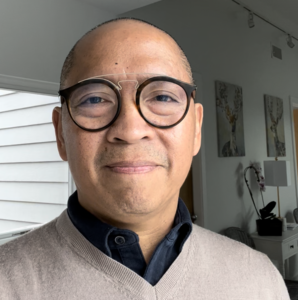
A. Maya Kaye

LMSW

About

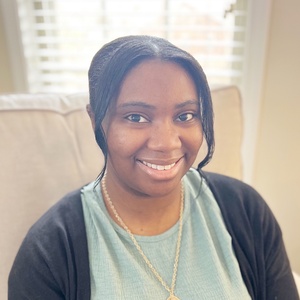
Maya is a licensed master social worker, emerging researcher, and doctoral candidate at Tulane University. She identifies as South Asian and is multilingual. Maya is interested in research and scholarship in epilepsy health disparities and compassion-focused interventions for individuals experiencing psychological distress.

As an integrative psychotherapist, she combines a variety of psychodynamic and mind-body modalities. She works with emerging adults experiencing anxiety, depression, trauma, relationship issues, and difficulties adjusting to life stressors.

Maya's psychotherapy core beliefs are twofold. First, compassion and respect are the basis of positive therapy experiences. Second, the personal connection and safeness established in the therapeutic relationship are catalysts for lasting change.

She is well versed in compassion-focused therapy (CFT), attachment-based psychotherapy, psychodynamic psychotherapy, mindfulness, and mentalization-based therapy (MBT).

In a partnership with patients, therapeutic care is informed by continuous learning and integrates the most recent research.

Maya is a licensed master social worker, emerging researcher, and doctoral candidate at Tulane University. She identifies as South Asian and is multilingual. Maya is interested in research and scholarship in epilepsy health disparities and compassion-focused interventions for individuals experiencing psychological distress.

As an integrative psychotherapist, she combines a variety of psychodynamic and mind-body modalities. She works with emerging adults experiencing anxiety, depression, trauma, relationship issues, and difficulties adjusting to life stressors.

Maya's psychotherapy core beliefs are twofold. First, compassion and respect are the basis of positive therapy experiences. Second, the personal connection and safeness established in the therapeutic relationship are catalysts for lasting change.

She is well versed in compassion-focused therapy (CFT), attachment-based psychotherapy, psychodynamic psychotherapy, mindfulness, and mentalization-based therapy (MBT).

In a partnership with patients, therapeutic care is informed by continuous learning and integrates the most recent research.

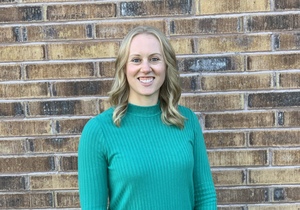
Jessica Lamar, Psy D, Lmhc, Lpc

LMHC

About

Throughout my career I have worked in forensic settings, community mental health, and private practice. I have experience working with serious mental health, sex addiction, trauma, betrayal, and grief. I am a licensed mental health therapist in the State of Washington. I earned a doctorate Degree in Clinical Psychology from Argosy University in 2018.

Currently, I work with adults who are facing death and non-death losses. Those who are trying to navigate the complexity of relationships and the grief process. I believe we all experience change and loss by virtue of being in this world and in relationships. Transition, loss, and the experience of grief will affect every person through various moment in life. I strive to understand each person’s unique experience with these transitions. At times, these changes and losses are unexpected and can throw us off track or render us feeling hopeless. I have a keen interest in how we construct meaning life, especially in the wake of loss and transition.
I enjoy working with people seeking ways to adapt, thrive, and create meaning within themselves, while coping with losses including death, loss of relationships, illness, and many other life transitions and/or ambiguous losses.

My primary goal in the therapeutic process is to actively assist you in reaching a better understanding of the underlying conflicts and meaning around your situation by helping you gain some objective distance around your concern in relation to your larger context. Self-awareness alone has positive effects. I believe change is possible through this kind of understanding and acceptance of oneself.

Throughout my career I have worked in forensic settings, community mental health, and private practice. I have experience working with serious mental health, sex addiction, trauma, betrayal, and grief. I am a licensed mental health therapist in the State of Washington. I earned a doctorate Degree in Clinical Psychology from Argosy University in 2018.

Currently, I work with adults who are facing death and non-death losses. Those who are trying to navigate the complexity of relationships and the grief process. I believe we all experience change and loss by virtue of being in this world and in relationships. Transition, loss, and the experience of grief will affect every person through various moment in life. I strive to understand each person’s unique experience with these transitions. At times, these changes and losses are unexpected and can throw us off track or render us feeling hopeless. I have a keen interest in how we construct meaning life, especially in the wake of loss and transition.
I enjoy working with people seeking ways to adapt, thrive, and create meaning within themselves, while coping with losses including death, loss of relationships, illness, and many other life transitions and/or ambiguous losses.

My primary goal in the therapeutic process is to actively assist you in reaching a better understanding of the underlying conflicts and meaning around your situation by helping you gain some objective distance around your concern in relation to your larger context. Self-awareness alone has positive effects. I believe change is possible through this kind of understanding and acceptance of oneself.

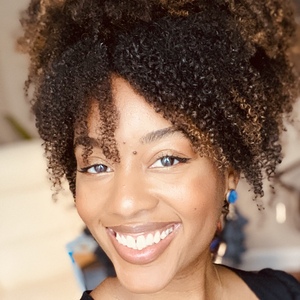
Stephanie Landrum

LPC

About

Are you feeling overwhelmed, exhausted, and stressed all the time? Do you find yourself laying awake at night thinking about your to-do list, worries, or replaying events from the day? Many of my clients find themselves struggling with anxiety, OCD, stress, or burnout.

I specialize in anxiety and related disorders, obsessive-compulsive disorder (OCD), life transitions/adjustments, women's issues, and stress management. I provide a safe, non-judgmental space for all clients to work on their therapeutic goals, utilizing an integrative approach.

Reaching out to a therapist to connect with can be a very difficult first step. I would love to answer any questions you may have regarding my therapeutic style and discuss setting up your first appointment.

Are you feeling overwhelmed, exhausted, and stressed all the time? Do you find yourself laying awake at night thinking about your to-do list, worries, or replaying events from the day? Many of my clients find themselves struggling with anxiety, OCD, stress, or burnout.

I specialize in anxiety and related disorders, obsessive-compulsive disorder (OCD), life transitions/adjustments, women's issues, and stress management. I provide a safe, non-judgmental space for all clients to work on their therapeutic goals, utilizing an integrative approach.

Reaching out to a therapist to connect with can be a very difficult first step. I would love to answer any questions you may have regarding my therapeutic style and discuss setting up your first appointment.

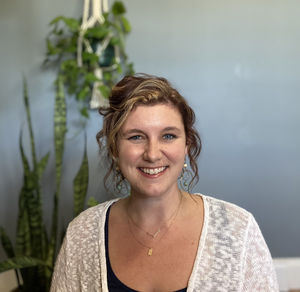
Jenny Brooks

Psychologist

About

I believe that creating a warm, safe, and respectful environment is pertinent to establishing a healthy therapeutic relationship with my clients and helping them to achieve their therapy goals. I strongly believe that therapy is a collaborative process between myself and my clients with the overarching goals of improving relationships, emotional regulation, self-understanding, adjustment, and life satisfaction.

I work with children, adolescents, and adult clients through the use of individual, couples, and family therapy. I frequently incorporate the use of the Brainspotting method to help clients of various ages process through a wide range of highly stressful, activating and traumatic experiences that prevent them from fully engaging in aspects of their life. I also have been trained in Collaborative Practice; information regarding this approach to divorce can be found at www.CollabAtlanta.com.

For my adult clients, therapeutic issues typically focus on depression, anxiety, interpersonal relationship concerns, self-esteem and self-worth, communication difficulties, marital/relationship discord, and life transitions. Therapy focuses on identifying a client’s own strengths and challenges, empowering him/her to cope more effectively with life’s struggles, and improving relationships and overall functioning through insight, self-awareness, and healthy decision-making skills and coping resources.

With my children (ages 5 and older) and adolescent clients, common issues include divorce, depression, anxiety, OCD, mood dysregulation, behavioral difficulties, ADHD, family conflict, school performance issues, and social difficulties, such as peer conflict, bullying, and poor social skills in general. I believe that an important component in working with children and adolescents is the inclusion of the family, as I believe that making changes within the family system is the foundation to therapeutic progress. Family therapy typically centers on improving family communication and relationships, assisting parents in coping with their child’s emotional or behavioral issues at home, and building healthy boundaries, expectations, and family roles.

In addition to therapy, I am experienced in conducting psychological and psychoeducational evaluations. Such evaluations are a tool for identifying a client’s cognitive and academic skills, assessing for learning disabilities and developmental delays, and obtaining information regarding a client’s mental health. Evaluations can yield a wealth of information to help with treatment and educational planning and the identification of appropriate interventions.

I received my Ph.D. in Counseling Psychology and my M.Ed. in School Counseling from The University of Georgia. Prior to earning my doctorate, I worked as an elementary school counselor. I have been in private practice in the Atlanta area since 2006. In addition to private practice, I have been an adjunct instructor at Georgia State University with the Department of Counseling and Psychological Services and served on the board of the Division of Women and Girls for the Georgia Psychological Association.

I look forward to meeting you and the opportunity to help you address the barriers or concerns that are interfering with your happiness and ability to live life to the fullest!

I believe that creating a warm, safe, and respectful environment is pertinent to establishing a healthy therapeutic relationship with my clients and helping them to achieve their therapy goals. I strongly believe that therapy is a collaborative process between myself and my clients with the overarching goals of improving relationships, emotional regulation, self-understanding, adjustment, and life satisfaction.

I work with children, adolescents, and adult clients through the use of individual, couples, and family therapy. I frequently incorporate the use of the Brainspotting method to help clients of various ages process through a wide range of highly stressful, activating and traumatic experiences that prevent them from fully engaging in aspects of their life. I also have been trained in Collaborative Practice; information regarding this approach to divorce can be found at www.CollabAtlanta.com.

For my adult clients, therapeutic issues typically focus on depression, anxiety, interpersonal relationship concerns, self-esteem and self-worth, communication difficulties, marital/relationship discord, and life transitions. Therapy focuses on identifying a client’s own strengths and challenges, empowering him/her to cope more effectively with life’s struggles, and improving relationships and overall functioning through insight, self-awareness, and healthy decision-making skills and coping resources.

With my children (ages 5 and older) and adolescent clients, common issues include divorce, depression, anxiety, OCD, mood dysregulation, behavioral difficulties, ADHD, family conflict, school performance issues, and social difficulties, such as peer conflict, bullying, and poor social skills in general. I believe that an important component in working with children and adolescents is the inclusion of the family, as I believe that making changes within the family system is the foundation to therapeutic progress. Family therapy typically centers on improving family communication and relationships, assisting parents in coping with their child’s emotional or behavioral issues at home, and building healthy boundaries, expectations, and family roles.

In addition to therapy, I am experienced in conducting psychological and psychoeducational evaluations. Such evaluations are a tool for identifying a client’s cognitive and academic skills, assessing for learning disabilities and developmental delays, and obtaining information regarding a client’s mental health. Evaluations can yield a wealth of information to help with treatment and educational planning and the identification of appropriate interventions.

I received my Ph.D. in Counseling Psychology and my M.Ed. in School Counseling from The University of Georgia. Prior to earning my doctorate, I worked as an elementary school counselor. I have been in private practice in the Atlanta area since 2006. In addition to private practice, I have been an adjunct instructor at Georgia State University with the Department of Counseling and Psychological Services and served on the board of the Division of Women and Girls for the Georgia Psychological Association.

I look forward to meeting you and the opportunity to help you address the barriers or concerns that are interfering with your happiness and ability to live life to the fullest!

Melissa Murphy

LCSW-C

About

Melissa Murphy, LCSW-C, LICSW, LCSW, C-DBT, is a seasoned therapist and clinical director at Bethesda Therapy, licensed in Maryland, Washington D.C., and Virginia. Specializing in anxiety, depression, trauma, and OCD, she employs ERP (Exposure and Response Prevention) and Inference-based Cognitive Behavioral Therapy (I-CBT), recognized as leading treatments for OCD. Melissa's expertise extends to managing mood disorders, sexual dysfunction, and pelvic pain disorders. Her approach is collaborative and strengths-based, focusing on developing personalized strategies for each client.

As a Gottman-trained couples therapist, Melissa is adept at addressing the complexities of relationships affected by ADHD and OCD. She also treats Body-Focused Repetitive Behaviors (BFRBs) and finds profound fulfillment in supporting therapists and those in helping professions. Her work is underpinned by advanced training in both Cognitive Behavioral Therapy (CBT) and Dialectical Behavior Therapy (DBT).

Melissa Murphy, LCSW-C, LICSW, LCSW, C-DBT, is a seasoned therapist and clinical director at Bethesda Therapy, licensed in Maryland, Washington D.C., and Virginia. Specializing in anxiety, depression, trauma, and OCD, she employs ERP (Exposure and Response Prevention) and Inference-based Cognitive Behavioral Therapy (I-CBT), recognized as leading treatments for OCD. Melissa's expertise extends to managing mood disorders, sexual dysfunction, and pelvic pain disorders. Her approach is collaborative and strengths-based, focusing on developing personalized strategies for each client.

As a Gottman-trained couples therapist, Melissa is adept at addressing the complexities of relationships affected by ADHD and OCD. She also treats Body-Focused Repetitive Behaviors (BFRBs) and finds profound fulfillment in supporting therapists and those in helping professions. Her work is underpinned by advanced training in both Cognitive Behavioral Therapy (CBT) and Dialectical Behavior Therapy (DBT).