Virtual Counseling
Concerns
Therapist Gender
Counseling For
Price Range
Insurance Accepted
Payment Options
Client Focus - Age
Client Focus - Religion
Client Focus - Ethnicity
Language Spoken
Treatment Approach
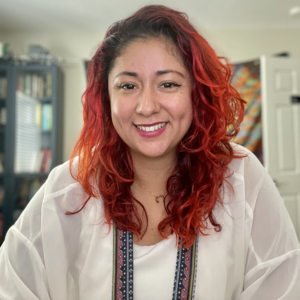
Jackie Dunagan
Licensed Marriage and Family Therapist, AAMFT Approved Supervisor
Alpharetta, GA
Life’s transitions—whether in relationships, family, or discovering a renewed sense of self—can feel both overwhelming and full of possibility. Many couples find themselves caught between love and conflict, unsure how to move forward, while individuals may be seeking clarity in a new season. With thoughtful support, it is possible to rebuild trust, strengthen communication, and create deeper, more secure connections. My work focuses on guiding couples and individuals through these pivotal moments with insight, compassion, and strategies that foster resilience and lasting change.
I became a therapist because I value the meaningful relationships I’ve built with my clients. It is an honor each time someone chooses me to walk alongside them—through the difficult parts of life and in celebrating their growth and successes. My approach is collaborative and compassionate, yet at times more directive with couples when it supports their goals. I draw from proven frameworks, including the Gottman Method, Emotionally Focused Therapy (EFT), Attachment-based approaches, and Narrative therapy. This allows me to tailor each session to your unique story, always with the aim of strengthening connection and creating lasting transformation.
I am also the host of Everything is Clinical, a podcast for mental health pros, where we explore challenges in the field and dive deeper into important clinical topics. Sponsored by The Right Counselor, this work extends my passion for advancing clinical excellence and supporting the growth of other professionals in the field.
As a Licensed Marriage and Family Therapist (LMFT) and AAMFT Approved Supervisor, I bring both expertise and empathy to my practice. I hold a Master of Family Therapy degree from Mercer University School of Medicine and am a Gottman Level 3 trained couples therapist as well as a Gottman 7 Principles Educator. I specialize in working with couples—including step-couples and blended families—navigating remarriage, co-parenting, and loyalty binds, as well as individuals facing life transitions such as launching adult children, grief and loss, redefining purpose, or caring for aging parents.
I provide counseling for couples, individuals, and families across Georgia, Florida, and South Carolina through secure telehealth sessions. This gives clients the flexibility to receive high-quality care from the comfort of their own home while maintaining privacy and convenience. For new clients, I offer a complimentary 20-minute consultation via HIPAA-compliant video. While my schedule often books a few weeks in advance, I can typically schedule this introductory meeting within the week. If you are ready to take the next step toward healing, clarity, and lasting connection, schedule an introductory meeting at dunagancollective.janeapp.com
Specializations
Life Transitions, Couples, Stepcouples
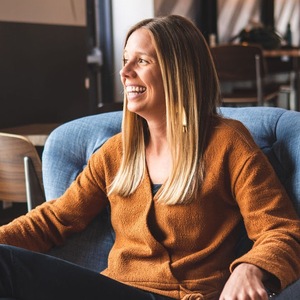
Brooke Ferreira
Licensed Marriage and Family Therapist
Peachtree City, GA
Finding a therapist that you connect with is crucial to helping you get the results you are hoping for. You may consider personality, values, style of therapy, or the overall vibe in your search. People would describe therapy with Brooke as heart healing, honest, collaborative and connecting. Brooke is passionate about working along individuals and couples as they learn to live authentically, boldly, and joyfully. Her work helps clients to explore the wounds or trauma that may be holding them back from achieving their best self. Brooke may be a good fit for you if you find yourself wanting a therapist who will hold your perspective and offer a different one, if you want to be challenged to grow, or if you are looking to be more spiritually and emotionally connected to yourself and others.
Self-esteem and Self-worth, Perinatal Mood and Anxiety Disorders, Maternal Mental Health
Kersten Perry
Licensed Clinical Mental Health Counselor Associate
Raleigh, NC
Feeling anxious, stuck, or just in need of someone to talk to? You’re not alone. Deciding to find a counselor is an amazing and powerful first step. Let me help you with the rest. Each session with me is specific to who you are and what you need. I find joy in helping my clients discover who they are and achieve the goals they have set for themselves.
Anxiety
Emily Ruggles
LPC, CRC
Emily specializes in working with individual adults and teens (15yo+). She has extensive experience working with young adults and college students having difficulty with anxiety, depression, life stage transitions (moving, graduation or career change), suicidal thoughts, self-esteem, relationship concerns, and dating. Having assisted collegiate student athletes as well as working with athletes at the professional level, Emily understands the unique pressures of being an athlete and the impact on mental health. She has a passion for helping her clients maximize their quality of life and perform to their greatest potential in every area of their lives.
Emily is also a Certified Rehabilitation Counselor (CRC). This certification equips Emily to assist clients with mental health concerns affected by disabilities, traumatic brain injury and chronic health conditions. It allows Emily to address both the mental and physical components of wellness, thus improving clients’ daily functioning and their overall quality of life.
No Information Available.
Courtney Salter
Counseling
You want to keep moving on with your life, but something is in the way. You may feel stuck, unmotivated, depressed, anxious, scared, and so much more. Life can be so challenging, and it isn't fair that you don't get instructions. At GROW, we understand that life can throw some unexpected curveballs that you were never prepared to handle. We want to help equip you with the tools to manage the challenges and wounds life can bring to move towards healing.
Courtney Salter loves helping people move forward. She is passionate about the potential that you have in your life, and works diligently to become a safe place to find and develop the tools within yourself and heal past wounds. Courtney earned her Master's Degree in Clinical Mental Health Counseling from Liberty University. She is a Licensed Professional Counselor, a Nationally Certified Counselor, and has extensive training in Dialectical Behavior Therapy (DBT). Courtney has worked in a psychiatric hospital with a range of disorders in the inpatient and outpatient units. Her experience extends to working with adults, teens, women, trauma, anxiety, addiction, depression, mood disorders, psychotic disorders, boundaries, communication, career, codependency, and relationships.
You are not broken in need of fixing; you may be healing and in need of care. Caring for yourself and your emotional/mental health is often a difficult thing to do. Yet unattended, the wounds and destructive coping mechanisms tear away the chance of healthy relationships, life-giving work, daily functioning, and effective parenting.
As your therapist, Courtney is determined to help you find your place in the healing process. You may wonder if you need counseling or if it will make a difference. Here at GROW, we have seen things get better. We are passionate about the potential that you have in your life. Life happens, but together we can find the next steps forward.
Sharon Nix
ABCDE
DEMO CITY, AL
Kim De Ramus Lareau
LPC
Decatur, GA
Life can be hard! Sometimes life deals us a set of circumstances that we aren’t sure how to navigate. Sometimes life is just confusing, and it can be hard to make sense of it all. You may find yourself asking questions like “how did I get here” and “how do I move forward”. There is where counseling could come in as a tool-- one of the biggest benefits of therapy is having a safe place to share how you are really doing and feeling. I value creating a safe place space to understand your true identity and thrive in your current situation. I believe that my clients are experts on themselves and collaborate with you in our work together. You don’t have to walk alone! It is my desire that clients can learn to be present in their daily lives and persevere with hope for the future. I consider it a honor to help clients hold even that mustard seed of hope and watch it grow. I have specialized training in trauma, EMDR, life transitions, grief and loss, and anxiety work.
Anxiety, New Moms, Life Transitions
Nercy Basulto Fuentes
Licensed Marriage and Family Therapist and Associate Professional Clinical Counselor
Sacramento , CA
If you’re still struggling to find that inner peace and don’t know what else to do, that’s when I come in. I’m a licensed marriage and family therapist who is passionate about working with those who want to find themselves again – or maybe find themselves for the first time.
If you have one speed and that speed is go-go-go, let me help you slow down and be more present. We can work on turning off that autopilot and take control of your life again.
Together, we will work on all those experiences that were pushed aside, those accomplishments you felt you didn’t deserve, that feeling that life is just passing you by, all the times you powered through because you had no option, yeah, we’ll get into those!
Let’s figure out how to get you where you want to be. Let’s find that inner peace you’ve been searching for.
Together we’ll laugh, talk about the good and the bad, but most of all we will get you to a place where you can feel just a bit lighter than you did before.
Trauma and PTSD, Military and First Responders, Anxiety
Amberly Hamilton
Licensed Professional Counselor
Suwanee, GA
Amberly attended the University of North Georgia for her Bachelors Degree, where she majored in Psychology and minored in Sociology. She continued her education at the University of North Georgia where she received her Masters in Clinical Mental Health Counseling. Since graduation, she has worked in the private practice setting continuing to gain experience working with children and parents. Amberly believes that working with the entire family system creates the ideal environment for growth and healing. She is a Registered Play Therapist and utilizes Child Centered Play Therapy, Cognitive Behavioral Play Therapy, and Attachment based modalities.
Amberly works with children and teens in the following specialty areas:
Anxiety – Perfectionism, Test & Performance Anxiety, Anger, Tics, Obsessive-Compulsive behaviors, Disordered Eating, Trichotillomania ADHD – Impulsivity, Distractibility, Aggression, and Anxious Thoughts Athletic Performance – Anxiety, Identity Development, Grief & Loss, Depression, Visualization Skills, Confidence Autism Spectrum Disorder– Social Skills, Sensory Processing, Anxiety, Bullying, Self-Esteem Grief – Trauma, Anger, Isolation, Depression, Defiance Amberly also offers parenting support including concerns such as attachment, communication, parenting strategies, appropriate limit setting, and co-parenting.
Amberly’s heart is to use both her passion and training to help children and teens navigate through life’s many obstacles. Her biggest hope is that they become the best versions of themselves and truly know they are worthy of everything life has to offer them, despite what the world may tell them. When Amberly is not in the office, she enjoys spending time with her family and German Shepherd, watching sports, and staying active.
Amberly is a member of the Association for Play Therapy and also holds a certification in AutPlay.
Anxiety, ADHD, Trauma
Laura Sharp
MA, LPCC, NCC
Denver, CO
Are you feeling stuck, overwhelmed, anxious, and unsure of yourself? Are you trying to gain your footing after a recent life transition? Are you curious about how your past is influencing your present? Is your inner critic in overdrive during this season of life, telling you to "just get over it and be happy?" This is where I come in! You don't have to do this alone.
Hi! I'm Laura, and I'd be absolutely honored to join you on your journey, serving as your guide (albeit fellow imperfect human being) and confidant. It is my goal to help you feel koselig with yourself, amidst the difficulties of life. Koselig is a Norwegian term used to describe an all-encompassing sense of comfort one experiences when they feel “at home”.
Whether you are coping with a difficult life transition, like pregnancy or postpartum, graduating college, questioning your faith, moving, or switching careers, chances are that anxiety is showing up in your life like never before. You deserve space to slow down and get more in touch with your emotions and needs, enabling you to feel koselig with yourself.
Interested in learning more? Email me to schedule a complimentary 20 minute phone call to get to know each other a little and to see if it seems like we would be a good fit before scheduling an initial session. I offer both in person and virtual sessions and am located near Wash Park in Denver, CO.
My goal for you is to find a therapist that you feel safe + known with, and if I’m not the best fit for you, I have a list of incredible referrals I would love to provide you with.
Anxiety and Stress, Life Transitions, Pregnancy, Prenatal, Postpartum