Virtual Counseling
Concerns
Therapist Gender
Counseling For
Price Range
Insurance Accepted
Payment Options
Client Focus - Age
Client Focus - Religion
Client Focus - Ethnicity
Language Spoken
Treatment Approach
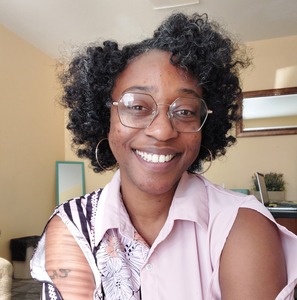
Sadiqa Cash
PhD
Pleasant Hill, CA
I specialize in evidence-based practices, including CBT, DBT, and mindfulness-based theories, to help clients explore difficult emotions, challenge harmful thought patterns, and better manage stress and anxiety. As a proud two-time HBCU graduate (Spelman College and Howard University), I bring a wealth of experience from working in diverse settings such as hospitals, outpatient clinics, and virtually-based mental healthcare.
My expertise includes supporting individuals with eating disorders, developmental challenges like Autism and ADHD, and those navigating life’s complexities. I am especially passionate about uplifting and empowering Black women, considering it a true privilege to amplify our greatness and nurture healing and growth.
Specializations
No Information Available.
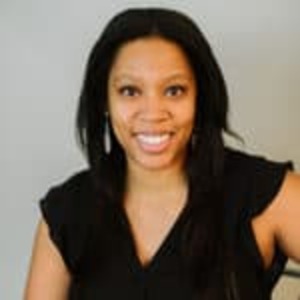
Michael Sytsma
LPC
Suwanee, GA
Marriage Counseling, Affair Recovery, Sex Therapy
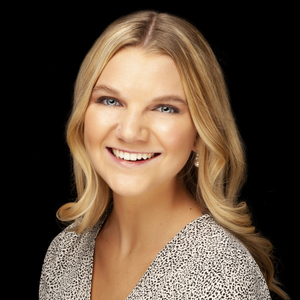
Courtney Hintermeyer
Roswell, GA
Courtney is a Licensed Professional Counselor (LPC) and Somatic Experiencing Practitioner (SEP) who received her MA in Clinical Mental Health Counseling from Richmont Graduate University, and her BA from the University of Wisconsin-River Falls. Courtney has served in a wide range of clinical settings, working on an inpatient unit for trauma and eating disorders, in residential programs for sexual exploitation, human trafficking, and addictions, as well as the private practice setting.
Courtney works primarily with individual women, men, and teens. She specializes in complex trauma, sexual, physical, and emotional abuse, PTSD, commercial sexual exploitation and human trafficking, addictions (both substance and process), life transitions, family of origin issues, eating disorders, and co-dependency. Being an artist herself, Courtney also has an affinity for the pressure unique to artists and people whose livelihoods are based on their creative endeavors.
Working from an eclectic perspective enables Courtney to address the unique needs of each client. Courtney thinks holistically and systemically, and in addition to her Somatic Experiencing work, is also trained in EMDR to target specific traumatic events and beliefs. Her approach is compassionate, genuine, and direct.
Courtney’s belief in the resiliency of people and potential for the redemption of brokenness continues to fuel her passion for this work and hope for her clients.
Abuse, Complex Developmental Trauma, Recent Traumatic Events
Jill Howgate
ALPHARETTA, GA
My goal is to help every client be the truest, healthiest version of themselves. Career challenges, stage of life transitions, relational conflict, and social circumstances can all be sources of stress and produce feelings of inadequacy and isolation. Addressing these challenges not only increases self-awareness; it bolsters self-esteem, fuels empathy and increases our capacity for healthy interpersonal connection. Ultimately, these are the elements that allow us to weather the challenges life sends our way and to thrive in both personal and professional settings.
Anxiety, Life Transitions, Career Development
Bruce Borkosky
psychologist
Miami, FL
Hi, thanks for reading my Bio! I've been a psychologist now for 30 years. Over that time, I've helped more than 10,000 people. This is my 3rd career - I started as a Domino's Pizza manager, then a computer programmer for IBM. I became a psychologist after seeing my own psychologist during a difficult divorce. I learned so much from that experience that I knew it was right for me - so I went back to school. I've also completed 90% of a post doctoral certificate in neuropsychology.
I find that most people I work with are interested in one of two kinds of therapy. First, some people are interested in problem solving / solution focused therapy - finding solutions to life's many problems. I use brain science and the design of human beings to develop creative shortcuts to these problems. I've created my own names for them, such as the 'what else' technique, or reverse psychologizing yourself, or the 3 P's of grieving, or the 'outside the box' technique.
Other people want to understand themselves at a deep level. Perhaps they find themselves making the same mistakes in life. Or they wonder 'how did I get here?' The want to understand their personality structure and to make deep, long lasting changes - to become, not necessarily happier, but more successful and satisfied with life. During this process, I describe what I consider to be 'the ultimate in mental health.'
And now you know ... The rest of the story!
Relationships, Childhood abuse, Depression
Vincent Fitch
Psychologist
Atlanta, GA
I am a licensed clinical psychologist that specializes in working with eating disorders, body image, depression, anxiety, and trauma. I use evidence-based treatments to help with various concerns and provide an empathetic and validating environment. I work hard for my clients and help hold them accountable to their goals. I work with clients starting at 13 years old and older and I am accepting of clients of various different backgrounds. I am currently accepting new clients both in-person and via Telehealth.
Eating Disorders, Depression, Anxiety
Charita Cheever
Registered Mental Health Counseling Intern
Tampa, FL
Hello, I'm Charita with Serenity Thoughts LLC. I'm currently accepting new clients struggling with depression, anxiety, parenting, anger, self-esteem or other life stressors and trauma. I aim to work with the BIPOC community, but of course all are welcome.
I believe learning about our mental health only helps us to get to know ourselves better, so we're better equipped to navigate life's challenges. Please reach out and let me help you step into your Serenity Thoughts!
Depression, Anxiety, Substance Use Disorders
Salima Hart
Associate Professional Counselor (APC) and National Certified Counselor (NCC)
Salima received her Bachelors degree from Georgia State University in Early Childhood Education. While teaching, she recognized the importance of mental health for both the child and the family. She wanted to transition to a career where she would have the opportunity to focus on the mental health of others. She obtained her Masters in Clinical Mental Health Counseling from Mercer University. During her program, Salima spent time at Manna Treatment, where she gained experience working with eating disorders in the PHP and IOP programs. She also had the opportunity to work with children, teens, and adults for various issues such as divorce, depression, anxiety, addiction, and other mental health concerns.
In addition to her internship experience, Salima also worked for Kate’s Club, where she lead grief groups for school-aged children who recently lost a family member or loved one. Salima enjoys seeing her clients progress and meet their personal goals and works with them to help foster mentally and emotionally healthy lives.
Depression, Anxiety, Life Transitions
Kersten Perry
Licensed Clinical Mental Health Counselor Associate
Raleigh, NC
Feeling anxious, stuck, or just in need of someone to talk to? You’re not alone. Deciding to find a counselor is an amazing and powerful first step. Let me help you with the rest. Each session with me is specific to who you are and what you need. I find joy in helping my clients discover who they are and achieve the goals they have set for themselves.
Anxiety
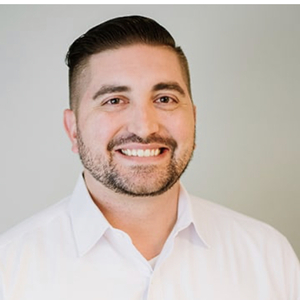
Adam Glendye
LPC, CPCS
Peachtree City, GA
Adam has over a decade of experience working in mental health. He specializes in working with Entrepreneurs, Pilots, and is a therapist for therapists. His friends call him “The Sex, Drugs, and Rock n Roll Therapist” because he works with sexual concerns, any type of substance or process addiction, and works with people who have amazing careers and families... on paper. He enjoys helping people not only have excellent CV’s but also utilizing those skills to have excellent families and friendships.
.jpg)