Virtual Counseling
Concerns
Therapist Gender
Counseling For
Price Range
Insurance Accepted
Payment Options
Client Focus - Age
Client Focus - Religion
Client Focus - Ethnicity
Language Spoken
Treatment Approach
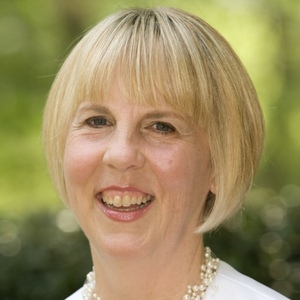
Hannah Boos
Associate Professional Counselor
Tucker, GA
I have a passion to work with adolescents (13+) and adults on an individual basis who are struggling with anxiety, depression, self-esteem and identity development, life transitions, spirituality. I also have a desire to help individuals who have experienced infidelity and sexual betrayal heal from their experiences. First and foremost, my goal is to provide a safe, non-judgmental environment where you can begin your journey of healing, progress, and growth. I am practicing under the direction of Melanie Gulley and the supervision of DeVon Mills, PhD, LPC, ACS at Compassion Cove Counseling.
Specializations
Trauma, Anxiety, Infidelity
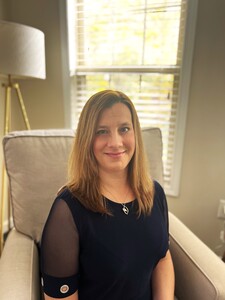
Ariana Taylor
AMFT
rancho cucamonga, CA
Dealing with life’s many obstacles alone can be challenging. My hope is that I can help support you along that journey. Togetherness is described as a strength and courage. As an associate marriage and family therapist with a multicultural background and first a generation American I have been educated in a multitude of life’s perspective views. With over five years of experience working with CBT, PCT, SFBT, and narrative therapeutic modalities I’ve successfully worked with substance use disorder and behavioral health. My therapeutic process is person centered my goal is to walk along the side of you in support of your journey.
No Information Available.
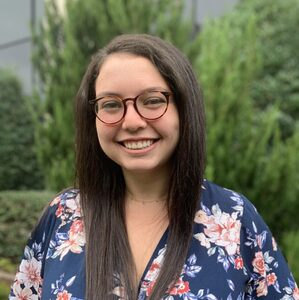
Sarah Collier
LPC
Marietta, GA
Sarah works with the team at Tapestry Associates in Marietta square to serve women, young adults and teens and partner with them on their mental health journey.
Brianna Henderson
LPC, Registered Play Therapist
Frisco, TX
I exclusive specialize in child therapy for ages 3-14 years old using Child-Centered Play Therapy. I own Lily Pad Child & Adolescent Counseling in Frisco, TX.
Nicole Rainey
Licensed Mental Health Counselor, Registered Art Therapist
Tallahassee, FL
My name is Nicole Rainey. I am a Licensed Mental Health Counselor and Registered Art Therapist in Tallahassee Florida. After 7 years of providing therapy to children, teens, and adults from diverse backgrounds, cultures, and life experience, I started Mosaic Creative Counseling. I believe therapy should focus on healing through creative self-expression. As a registered art therapist, I want to help my clients feel safe and comfortable expressing themselves and problem solving through talk, imagery, and creativity. I have experience helping people through a history of trauma, relational and family issues, grief/loss, foster care and adoption concerns. Prior to private practice, my work specifically focused on survivors of sexual abuse, physical abuse, neglect, violence, and sex trafficking/prostitution. I have specific training in Trauma- Focused Cognitive Behavioral Therapy, Internal Family Systems, Adoption Competency, as well as working with survivors of sexual exploitation. My practice Mosaic Creative Counseling provides the Tallahassee Florida community with specialized creative therapy services. After work, I enjoy painting with watercolors or throwing pottery. I love playing with animals and always look forward to traveling.
Mikela Hallmark
LPC, LMHC
SANDY SPRINGS, GA
Are you a high achiever who is great at getting things done, but not great at connecting with your feelings? Or maybe you're struggling with your relationship. You're committed to your spouse, but you realize you've got a wall up and you're not sure how to bring it down. I enjoy helping high achievers work to reduce anxiety and perfectionism, and deepen connections with the people they love. I am a licensed counselor in the states of GA and FL, and am a CPCS in the state of GA which qualifies me to supervise other counselors. I am trained in Gottman Method for couples (through level 3) and additionally trained in helping couples recover from affairs. I am also certified in EMDR, a trauma therapy, ERP, DBT and more. My clients know me as someone who will help them take a nonjudgmental approach to their situation, connect with deep needs that they have long ignored, and work to strengthen emotional connections in their lives.
Kathryn Larisey
LPC CPCS DCC
Peachtree City, GA
I offer guidance through the wilderness of depression and anxiety, support in life‘s crucial decisions, deep inner listening, companionship in the life of the Spirit, help in the formation of relationships between other people and God, a sacred space for connecting with your true Self, the therapeutic gift of love, a journey into wholeness.
Dream Work, Mindfulness , Spirituality
Shelley Spence
ABCDE
DEMO CITY, AL
Denita Jones
LMSW CHT
Kennesaw, GA
A little information about me. I have been in the field of Human Services since 2008. I am an associate licensed mental health counselor (LMSW) since 2018. I have practiced in both public and private practices. I am in the process of sitting for my full licensure in the State of Georgia. I am a graduate of University of Southern California. I hold a master's degree in social work with a minor in military families. I work with ages 11(+), families, couples and veterans. I provide evidence-based therapies and I am a certified hypnotherapist, a therapy that is helpful for the client struggling with trauma.
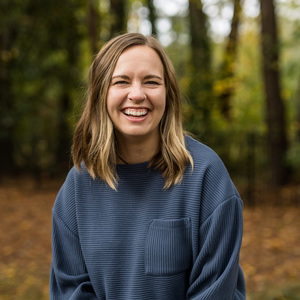
Aliya Saulson
LCSW
Charlotte, NC
Part of choosing to engage in therapy is choosing to understand yourself more and to seek other perspectives to do so. I engage clients in collaborative processes to assist you not only in improving your relationships with others, but also enriching your relationship with yourself. I collaborate with you to cultivate an intentional life by asking questions you’ve never thought about before. I take great intention in creating a space where you feel supported and accepted, because we must feel a certain level of safety and trust in order to have the courage to change, grow, and be vulnerable.
I am a welcoming therapist with a warm energy committed to providing a client-centered approach that takes into account every aspect of your identity. I particularly enjoy working with young women in emerging adulthood (ages 18-30) but I have experience working with adults of all genders and all ages. I aim to provide LGBTQIA+, sex-positive, affirming services while incorporating a social justice anti-racist framework. In my clinical work, I draw from Acceptance and Commitment Therapy modalities and mindfulness approaches to meet clients “where they are.”
Rupi Kaur writes “What is stronger than the human heart which shatters over and over and still lives?” I consider psychotherapy to be one way that clients strengthen their hearts, and I am continuously inspired by the resilience I see in therapy sessions every day. It is an honor to be a part of my clients’ journeys towards living more meaningful lives.
Emerging Adulthood (18-30), LGBTQIA+, Trauma


.jpg)