Virtual Counseling
Concerns
Therapist Gender
Counseling For
Price Range
Insurance Accepted
Payment Options
Client Focus - Age
Client Focus - Religion
Client Focus - Ethnicity
Language Spoken
Treatment Approach
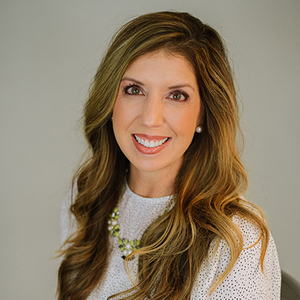
Michelle Tapia
AMFT
Rancho Cucamonga, CA
It is my goal to help people through difficult times and communicate better within their families. I would like to support individuals, couples and families as they learn to manage what feels too hard to do on their own. I have worked extensively supporting youth and families through post traumatic events, anger issues, anxiety, depression and adjustments. I want to help support you through this difficult time or time of adjustment.
I am a strong believer that personal growth, change, and self-improvement are attainable for anyone willing to make the decision to try. I have a long list of personal experiences that have brought me to a point in life where I can now reach out and help others therapeutically. If you are feeling stuck in your life or in a situation that feels hopeless, you do not have to suffer through it alone. I would be honored to join you right where you are and begin establishing the right tools for you to get unstuck and to find that hope that was lost or missing. Primarily, I have clinical experience working with adolescents struggling with ADHD, depression, anxiety, suicidality, autism, and oppositional defiance. Secondarily, my personal experiences fuel my desire to work with young/teen mothers, first responders and spouses/family members of first responders.
Specializations
No Information Available.
Brianna Henderson
LPC, Registered Play Therapist
Frisco, TX
I exclusive specialize in child therapy for ages 3-14 years old using Child-Centered Play Therapy. I own Lily Pad Child & Adolescent Counseling in Frisco, TX.
Vianne Satterfield
Licensed Professional Counselor
Marietta, GA
I am licensed as a Professional Counselor in Georgia. I earned a MS degree in Community Counseling in 1989 from Georgia State University, and am certificated in Christian Counseling from Richmont Graduate University. I am a Certified Clinical Trauma Professional (CCTP) and have completed EMDRIA-sponsored Basic Training in EMDR to help people with trauma.
As a licensed professional counselor and an experienced inner healing prayer minister, I am passionate about helping people get past difficulties. Others describe me as compassionate, insightful and skilled at getting to the root cause of an issue. I would be honored to help you overcome adversity.
Inner Healing , Trauma Focused
Sarah Valeriay
Licensed Marriage and Family Therapist, Licensed Professional Counselor
Kennesaw, GA
Sarah considers her work in therapy to be a privilege with every client. She understands taking brave steps towards life-healing change is sacred work that should be met with detailed, compassionate care. Sarah strives to provide a safe environment for clients to build on their existing skills and address any areas of concerns they may have while moving towards transformation and freedom.
Sarah has served clients in a broad span of clinical and therapeutic settings. Her experience ranges from serving the mental health needs of the homeless population of Atlanta, to psychiatric hospital experience, therapeutic residential treatment for teens, and private practice. Sarah integrates a variety of therapeutic techniques to help clients identify and heal the deep heart wounds that can influence our core beliefs and impact our actions. The integration of faith in counseling is available upon request.
Individuals, Couples, Adolescents (13 years+)
Kevin Chow
LMFT
Union City, CA
My approach to therapy revolves around putting my clients at the center of the process. This means tailoring treatment to suit your specific needs and preferences. It could involve processing through deep-rooted issues, equipping you with coping mechanisms and practical skills, or even collaboration to problem solve. For me, being a therapist is a profound privilege to walk alongside my clients on their journey towards self-discovery and growth. I see each client as an individual with unique experiences, challenges, and aspirations. My role is to support you in realizing your vision for yourself and help navigate through whatever obstacles you may encounter along the way.
Life Transitions, Work related stress, Anxiety
Luke Allen
Licensed Psychologist
Las Vegas, NV
Specializing in anxiety, depression, LGBT+ Health, gender care, & body-focused repetitive behaviors via online therapy.
Michelle Rathburn
Peachtree City, GA
As a therapist, Michelle is committed to supporting her clients as they identify the changes they would like to make. With your personal goals in mind, she will work with you to discover the best positive solutions to the challenges you are facing. Michelle believes that counseling is not just about talking out problems and crisis issues, but about building self-confidence, resilience, and meaning.
Marriage and Family Therapy, Yoga
Jackie Dunagan
Licensed Marriage and Family Therapist, AAMFT Approved Supervisor
Alpharetta, GA
Life’s transitions—whether in relationships, family, or discovering a renewed sense of self—can feel both overwhelming and full of possibility. Many couples find themselves caught between love and conflict, unsure how to move forward, while individuals may be seeking clarity in a new season. With thoughtful support, it is possible to rebuild trust, strengthen communication, and create deeper, more secure connections. My work focuses on guiding couples and individuals through these pivotal moments with insight, compassion, and strategies that foster resilience and lasting change.
I became a therapist because I value the meaningful relationships I’ve built with my clients. It is an honor each time someone chooses me to walk alongside them—through the difficult parts of life and in celebrating their growth and successes. My approach is collaborative and compassionate, yet at times more directive with couples when it supports their goals. I draw from proven frameworks, including the Gottman Method, Emotionally Focused Therapy (EFT), Attachment-based approaches, and Narrative therapy. This allows me to tailor each session to your unique story, always with the aim of strengthening connection and creating lasting transformation.
I am also the host of Everything is Clinical, a podcast for mental health pros, where we explore challenges in the field and dive deeper into important clinical topics. Sponsored by The Right Counselor, this work extends my passion for advancing clinical excellence and supporting the growth of other professionals in the field.
As a Licensed Marriage and Family Therapist (LMFT) and AAMFT Approved Supervisor, I bring both expertise and empathy to my practice. I hold a Master of Family Therapy degree from Mercer University School of Medicine and am a Gottman Level 3 trained couples therapist as well as a Gottman 7 Principles Educator. I specialize in working with couples—including step-couples and blended families—navigating remarriage, co-parenting, and loyalty binds, as well as individuals facing life transitions such as launching adult children, grief and loss, redefining purpose, or caring for aging parents.
I provide counseling for couples, individuals, and families across Georgia, Florida, and South Carolina through secure telehealth sessions. This gives clients the flexibility to receive high-quality care from the comfort of their own home while maintaining privacy and convenience. For new clients, I offer a complimentary 20-minute consultation via HIPAA-compliant video. While my schedule often books a few weeks in advance, I can typically schedule this introductory meeting within the week. If you are ready to take the next step toward healing, clarity, and lasting connection, schedule an introductory meeting at dunagancollective.janeapp.com
Life Transitions, Couples, Stepcouples
Amy Wolfe
LIMHP
Omaha, NE
I’m passionate about helping individuals and couples create happier more peaceful lives.
Couples Counseling , Teens, Anxiety
Daniel Gopin
LPC
Atlanta, GA
Daniel Gopin helps couples and families overcome roadblocks in their relationships. He coaches men to become better husbands. Daniel helps teens understand their parents and helps parents tolerate their teens. He equips his clients with concrete parenting strategies.


.jpg)