Virtual Counseling
Concerns
Therapist Gender
Counseling For
Price Range
Insurance Accepted
Payment Options
Client Focus - Age
Client Focus - Religion
Client Focus - Ethnicity
Language Spoken
Treatment Approach
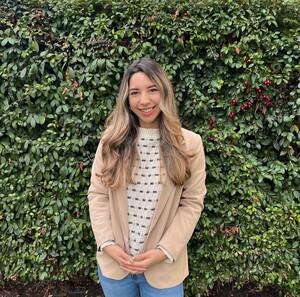
Emmy Hendrix
APC
Atlanta, GA
Do you experience the feeling of loneliness, sadness, or fear of the future? Do these feelings affect your ability to do the things you normally enjoy? Helping people live a life that they love is my passion. Learning how to work through difficult relationships, grief, setting boundaries, or going through a life transition. My goal is to help you learn how to work through these issues and live the life you've been longing for. I offer a welcoming space with in-person and virtual appointments to suit your schedule.
Specializations
body image, loneliness in older adults, Grief
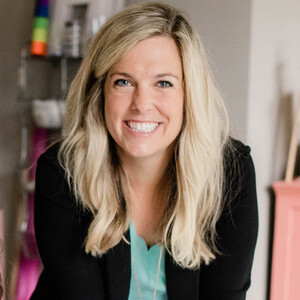
Angela Landry
LMFT
Franklin, TN
No Information Available.
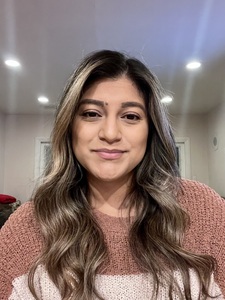
Julia Bauer
Licensed Clinical Social Worker
Naperville, IL
Julia Bauer, LCSW, whole heartily believes therapy should be collaborative and unique to each individual. She offers a warm, empathetic and non-judgmental approach and creates a safe space for clients to heal and feel heard.
Julia provides therapy to individuals, couples, and families, She enjoys working with adults of all ages, and is specifically interested in helping with the LGBTQIA population, anxiety, depression, trauma, women’s issues, infertility, relationship issues, life transitions, and grief. Julia also has a lot of experience with prenatal and postpartum mental health disorders. She is a certified holistic doula and has a special interest in assisting new parents through their transition into parenthood.
In therapy, Julia utilizes a multitude of therapeutic techniques to help clients cope through life’s many challenges and tribulations. She takes a holistic, mind-body-spirit approach to support and assist clients in living a more authentic, whole-hearted life.
Julia earned an MSW from Aurora University. Her experience includes counseling in a variety of settings including residential, inpatient and outpatient hospitals.
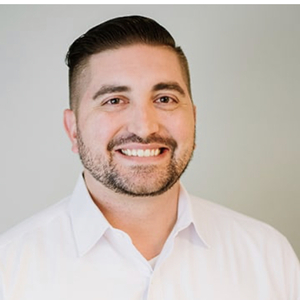
Ashleigh Burroughs
Associate Professional Counselor
Buford, GA
Children and young adults have such unique issues to navigate in today’s world. As a Licensed Associate Professional Counselor, I want to create a space for children and young adults to process where they are no matter what that looks like. As a therapist, I specialize in working with clients that struggle with anxiety, depression, life changes and adjustment to different phases and stages of life. Young people are constantly growing and changing. I work with clients to process their growing pains through self-expression.
As a former school counselor, I have a heart for helping young people overcome challenges and realize their strengths. Expressive arts and creativity are often at the core of our sessions. Whether that is writing, drawing, or other forms of art, we can use those skills to help you process and externalize even the most challenging emotions. My biggest goal is for you to be able to utilize your passions in the healing process. Ultimately, therapy is a brave space where I guide you in taking ownership of your story and experiences. It would be an honor to start that journey with you!
When I am not with clients, I spend my time supporting my alma mater, the University of Georgia! Go dawgs!!
Teens & Young Adults, Anxiety, Depression
Emilyn Amparo
Associate Marriage and Family Therapist
Rancho Cucamonga, CA
I am a compassionate and empathic Associate Marriage and Family Therapist eager to provide support. My journey has involved delivering therapy in both individual and group settings. I have experience in helping clients with trauma, ADHD, depression, and anxiety. I am also fluent in Spanish and enjoy working with the Latino community. I utilize therapeutic approaches such as Person-Centered, Narrative, and Cognitive Behavioral Therapy. There are various therapy approaches, and together, we can discover which one will benefit you the most. As an AMFT, I am passionate about helping others. I am committed to helping you reach your goals by providing you with hope, support, and guidance. I have experience working with teens and adults. Therefore, I understand the difficulties that day-to-day life can bring. I aim to work with you along your journey to improve your mental health and emotional well-being. My goal is to understand your inner world and develop strategies that facilitate personal growth. I hope to provide you with a safe space and supportive environment. I believe each individual has a unique story, and I'd be honored to hear yours!
Dianna Briggs
LCSW
I am a Licensed Clinical Social Worker with over seven years of experience working with children, teens, and parents. "Enter into children's play and you will find the place where their minds, hearts, and souls meet." -Virginia Axline. I specialize in Child-Centered Play Therapy, a developmentally appropriate treatment modality for children that utilizes their natural mode of communication, play. I also utilize Expressive Arts, Family Systems, Strength-Based, and CBT. I work primarily with children, teens, and young adults experiencing stress and anxiety, executive functioning deficits, identity confusion, mood disorders, grief and loss, and life adjustment challenges (i.e. separation/divorce). By providing a safe, non-judgmental environment, clients can effectively express, explore, and process their thoughts, feelings, and experiences. I believe every client is equipped with a unique set of strengths and skills that can help them overcome adversity. By helping clients rework negative perceptions of events in their lives or of themselves, clients can move to a more regulated state.
Children, Teens, Anxiety
Catherine Veliz
As long as I can remember helping others has always been a passion of mine. As an associate marriage and family therapist, walking alongside your journey often feels like a privilege. I truly believe the foundation of a therapeutic relationship begins with trust, empathy, and listening and with that I tailor the treatment approach to fit each client’s needs. I have worked with various populations of diverse background that have struggled with anxiety, depression, post-traumatic stress disorder, grief and loss, and body image issues. A few modalities I utilize are cognitive behavioral therapy, mindfulness, narrative therapy, and strength-based therapy. I would love to be a part of your journey to growth and help you become the best version of yourself.
Brianna Henderson
LPC, Registered Play Therapist
Frisco, TX
I exclusive specialize in child therapy for ages 3-14 years old using Child-Centered Play Therapy. I own Lily Pad Child & Adolescent Counseling in Frisco, TX.
Salima Hart
Associate Professional Counselor (APC) and National Certified Counselor (NCC)
Salima received her Bachelors degree from Georgia State University in Early Childhood Education. While teaching, she recognized the importance of mental health for both the child and the family. She wanted to transition to a career where she would have the opportunity to focus on the mental health of others. She obtained her Masters in Clinical Mental Health Counseling from Mercer University. During her program, Salima spent time at Manna Treatment, where she gained experience working with eating disorders in the PHP and IOP programs. She also had the opportunity to work with children, teens, and adults for various issues such as divorce, depression, anxiety, addiction, and other mental health concerns.
In addition to her internship experience, Salima also worked for Kate’s Club, where she lead grief groups for school-aged children who recently lost a family member or loved one. Salima enjoys seeing her clients progress and meet their personal goals and works with them to help foster mentally and emotionally healthy lives.
Depression, Anxiety, Life Transitions
Adam Glendye
LPC, CPCS
Peachtree City, GA
Adam has over a decade of experience working in mental health. He specializes in working with Entrepreneurs, Pilots, and is a therapist for therapists. His friends call him “The Sex, Drugs, and Rock n Roll Therapist” because he works with sexual concerns, any type of substance or process addiction, and works with people who have amazing careers and families... on paper. He enjoys helping people not only have excellent CV’s but also utilizing those skills to have excellent families and friendships.