Virtual Counseling
Concerns
Therapist Gender
Counseling For
Price Range
Insurance Accepted
Payment Options
Client Focus - Age
Client Focus - Religion
Client Focus - Ethnicity
Language Spoken
Treatment Approach
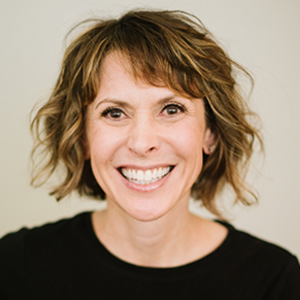
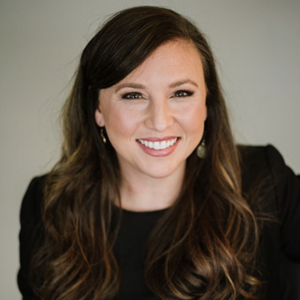
Jill Howgate
LPC
ALPHARETTA, GA
My goal is to help every client be the truest, healthiest version of themselves. Career challenges, stage of life transitions, relational conflict, and social circumstances can all be sources of stress and produce feelings of inadequacy and isolation. Addressing these challenges not only increases self-awareness; it bolsters self-esteem, fuels empathy and increases our capacity for healthy interpersonal connection. Ultimately, these are the elements that allow us to weather the challenges life sends our way and to thrive in both personal and professional settings.
Specializations
Anxiety, Life Transitions, Career Development
Rachel Hilker
Marriage and Family Therapist
Waynesboro, VA
Rachel Hilker is a Licensed Marriage and Family Therapist providing Telehealth therapy services to clients residing in Virginia. Rachel specializes in providing Gottman Method Couple Therapy to married and premarital clients and trauma-informed individual therapy for women.
Marital Therapy, Womens' Issues
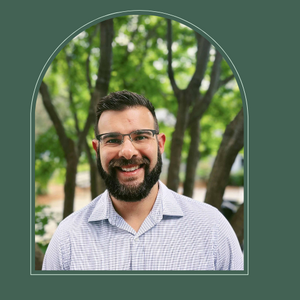
Vincent Fitch
Psychologist
Atlanta, GA
I am a licensed clinical psychologist that specializes in working with eating disorders, body image, depression, anxiety, and trauma. I use evidence-based treatments to help with various concerns and provide an empathetic and validating environment. I work hard for my clients and help hold them accountable to their goals. I work with clients starting at 13 years old and older and I am accepting of clients of various different backgrounds. I am currently accepting new clients both in-person and via Telehealth.
Eating Disorders, Depression, Anxiety
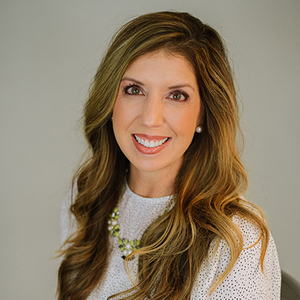
Michelle Rathburn
LMFT
Peachtree City, GA
As a therapist, Michelle is committed to supporting her clients as they identify the changes they would like to make. With your personal goals in mind, she will work with you to discover the best positive solutions to the challenges you are facing. Michelle believes that counseling is not just about talking out problems and crisis issues, but about building self-confidence, resilience, and meaning.
Marriage and Family Therapy, Yoga
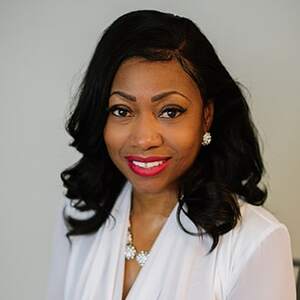
Porsha Jones
Porsha is a Licensed Marriage and Family Therapist. She completed her Bachelor of Arts degree in psychology from University of California at Berkeley then moved to Atlanta, Georgia and completed her Masters of Family Therapy degree from Mercer University School of Medicine. Porsha’s strength is providing an open, caring and safe environment for you to discuss your most private difficulties and challenges. She focuses on building a positive therapeutic relationship to promote maximum positive change and growth in you.
Porsha is experienced and passionate about working with individuals, couples and families suffering from issues surrounding anxiety, depression, major conflict, infidelity, divorce, and blended family dynamics. She uses Solution-Focused Therapy to help broaden clients’ understanding of the way they see themselves, their family and their situation.
Porsha specializes in working with professional athletes and understands the specific lifestyle challenges athletes and their families face. She tailors her approach to each unique situation and strives to meet the individual needs of each athlete and family.
In addition, Porsha believes that one’s thoughts ultimately determine their feelings and behaviors and therefore uses Cognitive-Behavioral Therapy to identify destructive thinking patterns, creating more effective ways to respond to life’s challenges. In the words of John Holmer Miller, “Your living is determined not so much by what life brings to you as by the attitude you bring to life; not so much by what happens to you as by the way your mind looks at what happens.”
Relationships, Blended Families, Professional Athletes
Lisa Miller
LPC, NCC
Lisa is a Licensed Professional Counselor and a National Board Certified Counselor who has more than ten years of experience specializing in working with children, teens, and families in private, public, and charter schools in metro Atlanta. She encompasses a unique perspective stemming from her years as a teacher, school counselor, and school-based therapist providing a proactive approach to wellness. She earned her Bachelor of Arts in Psychology from the University of Mississippi, Master of Arts in Teaching in Early Childhood Education from Reinhardt University, and Master of Science in School Counseling from Mercer University.
Lisa is well versed in working with families from different backgrounds and clients who are diagnosed with various learning disabilities. She is passionate about bridging the gap between home and school in order for clients to reach their full potential and for stakeholders to be mindful and sensitive to the necessary accommodations to ensure emotional, social, and academic success.
During her time within the school setting and clinical experience with a local agency, Lisa has worked extensively with families who have experienced life stage transitions such as: adoption, grief, and divorce. She utilizes mindfulness, play therapy, and sand-tray techniques in order to empower clients to experience reflection and personal growth. Lisa is certified with Connection Coalition, a non-profit organization that provides trauma-informed yoga programing and is a member of the Association of Play Therapy and the American Counseling Association.
Lisa’s specializations include:
Learning Disabilities: Attention-Deficit/Hyperactivity Disorder in all forms, Autism Spectrum Disorder, Communication Disorders, Intellectual Disabilities, Obsessive-Compulsive Disorder, and Specific Learning Disorders with impairment in reading, written expression, and mathematics
Trauma: Grief and loss, domestic violence, human trafficking, neglect, sexual abuse, natural disasters
Children & Teens: Anxiety, bullying, career counseling, college acceptance, depression, developmental transitions, executive functioning, identity development, self-esteem, social skills, testing anxiety, perfectionism, athletic performance anxiety, peer relationships, suicidal and homicidal ideation, self harm, mood dysregulation and psychotic disorders
Families: Communication, boundary setting, blended families, foster care and adoption, conflict resolution, life-stage transitions, stress management, limit setting, parent-child relationship development
Lisa’s therapeutic style includes holistic psychotherapy, cultural competence, and empathetic understanding with unconditional positive regard to all clients. In addition to providing services to clients, Lisa is passionate about spending time outdoors, running and yoga, as well as prioritizing quality time with her family, friends, and Golden Retriever.
Play Therapy, Learning Disabilities , Trauma
Lauren Foss
Licensed Marriage & Family Therapist
Palm Desert, CA
“The most beautiful people are those who have known defeat, known suffering, known struggle, known loss, and have found their way out of the depths. These persons have an appreciation, a sensitivity, and an understanding of life that fills them with compassion, gentleness, and a deep loving concern. Beautiful people do not just happen.” ― Elisabeth Kübler-Ross
Welcome, I'm glad you're here, I'm Lauren Foss, MS, LMFT. If you're feeling lonely, misunderstood, overwhelmed, or hopeless, perhaps in search of hope or meaning, individual, couple, and/or family therapy is available to serve as a gentle, guiding light, to illuminate your path, and help you find your way through the dark.
I look forward to walking alongside you as you navigate life's obstacles, develop greater insight and awareness into yourself and your relationships, and obtain practical tools for managing difficulties. Please reach out for a free 15 minute consultation to determine if I'm the right therapist for you.
No Information Available.
Allie Murphy
Licensed Clinical Mental Health Counselor Associate
Belmont, NC
I practice counseling from the humanistic perspective that every person is inclined to change and growth to make the best of surviving in life. I utilize person-centered counseling to promote empowerment, autonomy, and authenticity to promote self-acceptance and compassion. In the beginning of counseling, I focus on the therapeutic relationship to foster trust and make sure that you feel comfortable in the therapeutic space. Once an alliance is formed, I often utilize specific modalities that cater to your individual needs and experiences. I like to show up as myself to counseling with hopes that you will too. In my practice of person-centered counseling, I aim to reintroduce you to your authentic self. As you become more connected to yourself, you become more connected to your inner sources of wisdom, validation, compassion, self-respect, and acceptance. At Restore Counseling & Therapy, we place you at the center of your counseling experience. We encourage you to define the changes that you would like to see and experience. We just help you get there with the professional knowledge and tools we have acquired for you.
Max Merritt
Cumming, GA
Hello! I'm Max and I am here to help! I enjoy working with people from all walks of life and helping them along their life's journey. I work with most age groups including couples and parents. The concerns I have experience working with include anxiety, depression, ADHD, high functioning Autism, grief, self-harm, suicide, communication and interpersonal skills, anger management, addictions, self-esteem, bullying, and career counseling. I am also trained in Dialectical Behavior Therapy (DBT) and will be offering DBT skills groups for both teens and adults in 2023. If you or someone you know is struggling in any of the areas I've mentioned please don't hesitate to contact me. Take care!
ADHD, Anxiety, Depression
Terra Midgett
ABCDE
DEMO CITY, AL